

loading
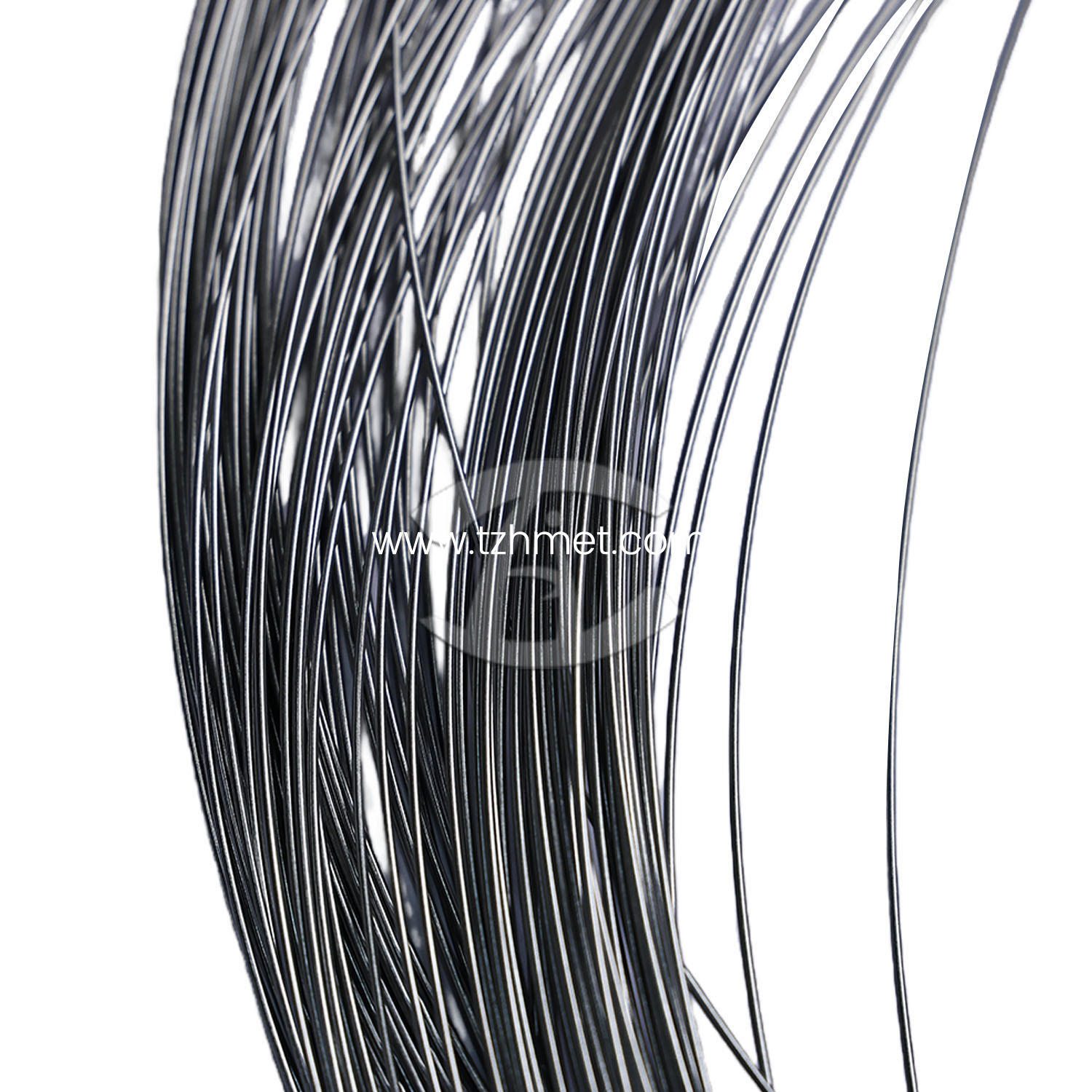


Hafnium wire is mainly used in plasma cutting to create plasma emission in electrodes.
• Working principle: Hafnium has high oxidation resistance, excellent electrical and thermal conductivity, and a low electron escape work function. During plasma cutting, the electrodes generate a high-temperature electric arc, and the hafnium particles can more easily emit electrons, which helps maintain a stable plasma arc and enables the cutting process to proceed smoothly.
• Advantages and features: The melting point of hafnium particles is approximately 2233℃, which can withstand the extremely high temperature of plasma arcs, reducing the ablation at the electrode tip and extending the service life of the electrode. When using electrodes containing hafnium particles for air plasma cutting, the cutting surface is smooth, with minimal deformation, high precision, and a small heat-affected zone. The cutting quality is close to that of laser cutting.
Hafnium wire is mainly used in plasma cutting to create plasma emission in electrodes.
• Working principle: Hafnium has high oxidation resistance, excellent electrical and thermal conductivity, and a low electron escape work function. During plasma cutting, the electrodes generate a high-temperature electric arc, and the hafnium particles can more easily emit electrons, which helps maintain a stable plasma arc and enables the cutting process to proceed smoothly.
• Advantages and features: The melting point of hafnium particles is approximately 2233℃, which can withstand the extremely high temperature of plasma arcs, reducing the ablation at the electrode tip and extending the service life of the electrode. When using electrodes containing hafnium particles for air plasma cutting, the cutting surface is smooth, with minimal deformation, high precision, and a small heat-affected zone. The cutting quality is close to that of laser cutting.


