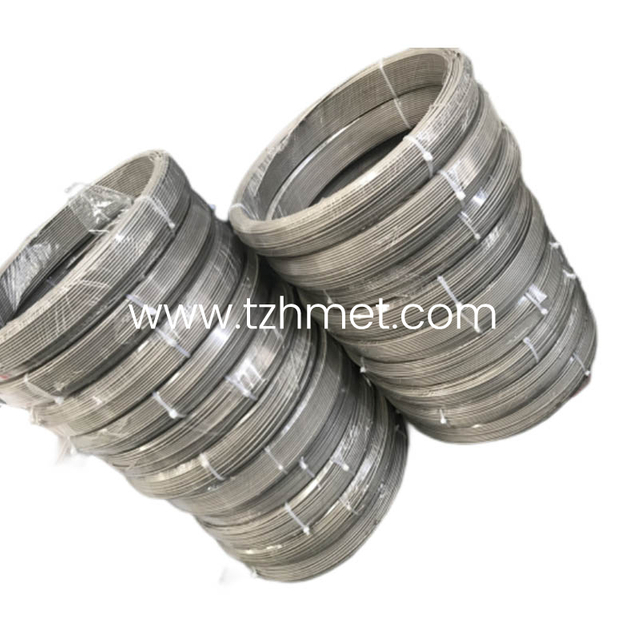
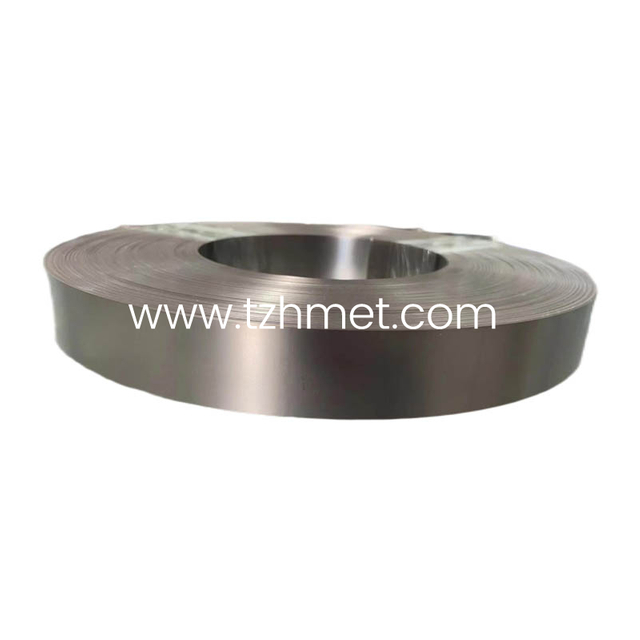
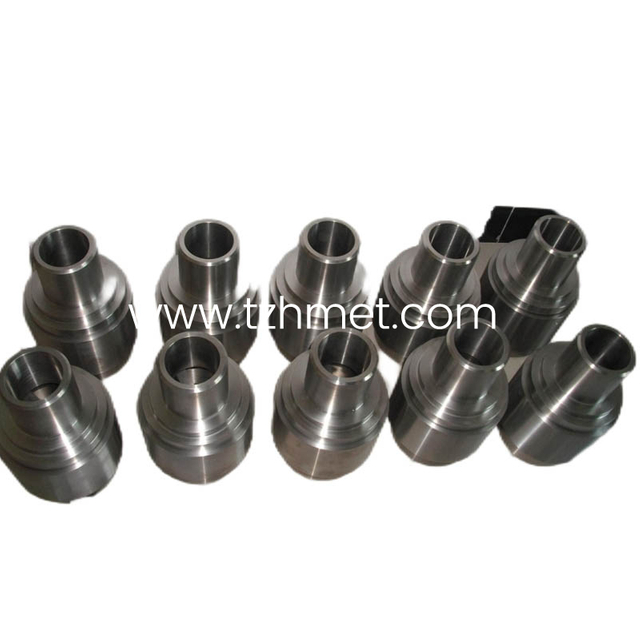
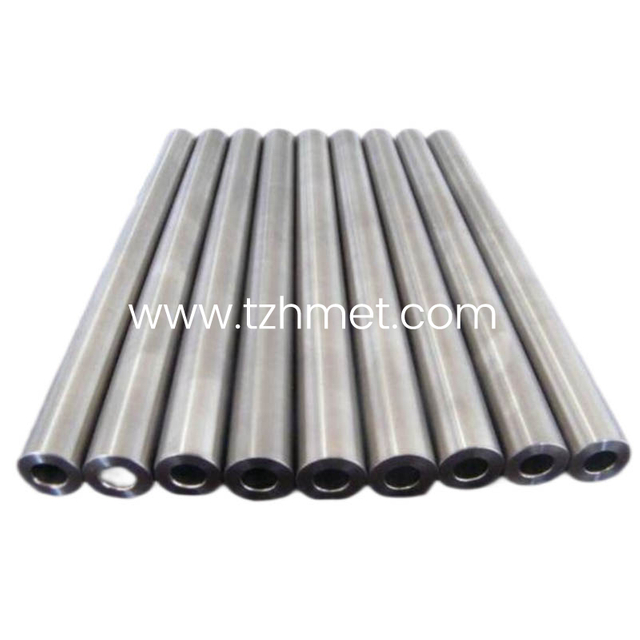
Tzhmet specializes in manufacturing high-purity zirconium products engineered for demanding industrial applications. Our comprehensive product range includes zirconium plates, tubes, wires, bolts, crucibles, and custom processing parts, all manufactured to meet international standards including ASTM B523 and ASTM B351. With exceptional corrosion resistance and mechanical properties superior to stainless steel, our zirconium materials serve critical roles in chemical processing, nuclear energy, and high-temperature industrial environments.
Learn more about the properties of cubic zirconia metal and how it differs from pure alloys.
Our zirconium product line encompasses a diverse range of forms and specifications to meet various industrial requirements. The zirconium plate series offers dimensions suitable for heat exchanger fabrication and chemical vessel construction, available in grades Zr702 and Zr705. For piping systems requiring superior acid resistance, our zirconium tubes comply with ASTM B523-12 standards, featuring diameters from Φ3mm to Φ219mm with wall thickness ranging from 0.5mm to 10mm. Applications demanding specialized fastening solutions benefit from our precision-engineered zirconium bolts, nuts, and screws that maintain integrity in highly corrosive sulfuric acid and hydrochloric acid environments.
Welding applications are supported by our high-purity zirconium wire, while laboratory and metallurgical operations utilize our zirconium crucibles for handling reactive materials at elevated temperatures. For projects requiring unique geometries or specific dimensions, our custom processing services deliver tailored zirconium components manufactured through advanced forging, rolling, and machining techniques.
Zirconium metal exhibits remarkable corrosion resistance that surpasses conventional materials across multiple aggressive chemical environments. Our zirconium products withstand boiling sulfuric acid at concentrations up to 70%, making them ideal for chemical processing equipment including reactors, distillation columns, and transfer piping. The material's strong oxygen affinity creates a protective zirconium oxide layer that shields the base metal from further degradation, ensuring long-term reliability in oxidizing conditions.
The mechanical properties of zirconium combine excellent plasticity with sufficient strength for structural applications. This balance enables efficient cold working, hot forming, and welding operations during fabrication. Zirconium maintains dimensional stability and mechanical integrity at temperatures exceeding 400°C, a critical advantage for heat exchangers and thermal processing equipment. In nuclear applications, zirconium's low neutron absorption cross-section makes it the preferred material for fuel rod cladding in nuclear reactors, where it prevents coolant interaction with fuel elements while withstanding intense radiation environments.
Our zirconium products also demonstrate exceptional resistance to stress corrosion cracking and pitting corrosion, failure modes that commonly affect stainless steel in chloride-containing solutions. This durability translates to extended equipment service life, reduced maintenance costs, and enhanced operational safety in chemical processing facilities. The material's biocompatibility further extends its utility to medical device manufacturing and pharmaceutical production equipment. Learn more about industrial applications where zirconium delivers unmatched performance.
In chemical processing industries, zirconium components solve critical corrosion challenges across multiple unit operations. Heat exchangers fabricated from zirconium plates and tubes enable efficient thermal transfer in sulfuric acid concentrators, hydrochloric acid recovery systems, and acetic acid production facilities. The material's resistance to mineral acids, organic acids, and salt solutions makes it suitable for reactor vessel linings, agitator shafts, pump components, and valve seats operating in environments where other materials fail prematurely.
Nuclear power generation relies extensively on zirconium alloys for in-core structural components. Our nuclear-grade zirconium products meet stringent purity requirements essential for fuel assembly fabrication, with controlled hafnium content below specified limits. The material's transparency to neutrons combined with its mechanical strength at operating temperatures makes it indispensable for pressurized water reactors and boiling water reactor designs.
Beyond chemical and nuclear sectors, zirconium oxide powder derived from zirconium metal serves ceramic and refractory applications, contributing to opacification in glazes and providing thermal stability in kiln furniture. High-temperature furnace components benefit from zirconium's refractory properties and resistance to molten metal attack. Complementary materials such as hafnium and tantalum offer similar corrosion resistance for applications requiring alternative material properties.
What is zirconium used for in industrial applications?
Zirconium is primarily used in chemical processing equipment due to its exceptional corrosion resistance to acids, alkalis, and salt solutions. Major applications include heat exchangers, reactor vessels, piping systems, and pump components in sulfuric acid, hydrochloric acid, and acetic acid production facilities. In nuclear energy, zirconium alloys serve as fuel rod cladding material due to low neutron absorption properties. Additional uses include high-temperature furnace components, medical implants, and specialty fasteners for corrosive environments.
How does zirconium compare to stainless steel for corrosion resistance?
Zirconium demonstrates superior corrosion resistance compared to stainless steel grades in most acid environments, particularly in sulfuric acid, hydrochloric acid, and nitric acid solutions. While stainless steel may suffer pitting and stress corrosion cracking in chloride-containing media, zirconium maintains integrity through protective oxide layer formation. This advantage results in significantly extended equipment service life and reduced maintenance requirements in aggressive chemical processing applications, justifying the higher initial material cost through total cost of ownership benefits.
What standards and grades are available for zirconium products?
Our zirconium products conform to international standards including ASTM B523 for tubes, ASTM B551 for strip and plate, and ASTM B550 for bar materials. Common grades include UNS R60702 (commercially pure zirconium) and UNS R60705 (zirconium-niobium alloy). Chinese national standards GB/T26314-2010 and GB/T26283-2010 also govern product specifications. Nuclear-grade zirconium alloys meet additional requirements for hafnium content control. All products undergo rigorous quality testing including chemical composition analysis, mechanical property verification, and nondestructive examination to ensure compliance with specified standards.
Can zirconium be welded and what precautions are necessary?
Zirconium can be successfully welded using gas tungsten arc welding (GTAW/TIG) and gas metal arc welding (GMAW/MIG) processes with appropriate shielding. Critical precautions include maintaining inert atmosphere protection during welding and cooling to prevent atmospheric contamination that causes embrittlement. Our welding wire provides matched composition for producing sound weld joints. Proper surface preparation, purge gas control, and post-weld inspection ensure weld quality meets performance requirements for chemical processing and nuclear applications.
Tzhmet combines decades of refractory metal expertise with advanced manufacturing capabilities to deliver zirconium products that meet the most demanding specifications. Our technical team provides comprehensive support from material selection through fabrication design, ensuring optimal performance in your specific application environment. Whether you require standard product forms or custom-engineered solutions, we deliver quality materials backed by rigorous testing and certification documentation. Contact us today to discuss your zirconium material requirements and receive detailed technical specifications and competitive pricing for your project.