
Views: 0 Author: Site Editor Publish Time: 2025-11-15 Origin: Site
Nickel is often debated: is it a metal, nonmetal, or metalloid? This question arises due to its unique characteristics.
In this article, we’ll dive into nickel's properties and explain why it is classified as a metal. By examining its distinct traits, you'll understand how it compares to other elements.
Metals are characterized by a set of common traits that distinguish them from other elements. These traits include:
Conductivity: Metals are excellent conductors of heat and electricity due to the free movement of electrons within their structure. This is why metals are widely used in electrical wiring and components, making them indispensable in numerous industries.
Malleability and Ductility: Metals can be hammered into thin sheets or drawn into wires without breaking, which makes them incredibly useful in manufacturing and construction. This malleability allows them to be shaped into a variety of products, from everyday items to complex machinery.
Shiny Appearance: Most metals have a lustrous appearance, meaning they reflect light well. This is why metals are often used in decorative items, coins, and jewelry.
Common examples of metals include iron, copper, gold, and aluminum. These metals are critical to various applications in everyday life and industry due to their unique properties.
In contrast to metals, nonmetals have distinct characteristics:
Poor Conductivity: Nonmetals are generally poor conductors of heat and electricity. This makes them useful as insulators in electrical and thermal systems.
Brittleness: Solid nonmetals tend to be brittle and break easily. Unlike metals, which can bend or deform, nonmetals shatter or fracture under pressure.
Varied States: Nonmetals can exist in all three states of matter at room temperature—gas, liquid, or solid. For example, oxygen is a gas, while bromine is a liquid, and carbon exists as solid graphite or diamond.
Metalloids, also known as semimetals, exhibit properties that lie between those of metals and nonmetals:
They often have a shiny appearance but are brittle like nonmetals.
Metalloids conduct electricity but not as efficiently as metals, making them ideal for use in semiconductors and electronic devices.
Examples of nonmetals include oxygen and carbon, while metalloids include silicon and arsenic. Understanding the distinction between metals, nonmetals, and metalloids helps clarify the role of each element in various industrial and technological applications.
Nickel is a shiny, silvery-white metal with a strong, dense structure. As a metal, it shares the primary characteristics such as:
Conductivity: Nickel is an excellent conductor of both heat and electricity, a hallmark trait of metals. This makes nickel ideal for use in electrical components, heat exchangers, and various mechanical devices that require efficient energy transfer.
Malleability: Nickel can be easily shaped into wires, sheets, or coatings. This malleability is critical in various manufacturing processes, from coinage to electronics. Nickel’s ability to retain its properties when molded or shaped makes it highly versatile in industrial applications.
Nickel's ability to maintain its strength and shape, even under extreme conditions, sets it apart from many other metals, making it a top choice for various high-performance applications.
| Property | Description |
|---|---|
| Conductivity | Excellent conductor of electricity and heat |
| Malleability | Can be shaped into wires, sheets, or coatings |
| Appearance | Shiny, silvery-white, metallic luster |
| Density | 8.908 g/cm³ |
| Melting Point | 1455°C (2651°F) |
| Property | Nickel (Metal) | Typical Nonmetal |
| Conductivity | High (Electrical & Thermal) | Low (Insulator) |
| Luster | Metallic Shine | Dull |
| Malleability | High (Ductile) | Brittle |
| State at RT | Solid | Solid, Liquid, or Gas |
Nickel is chemically stable, highly resistant to corrosion, and does not easily oxidize. These properties make it valuable in industries where exposure to harsh environments is common. Key chemical properties of nickel include:
Resistance to Corrosion and Oxidation: This makes nickel perfect for use in alloys, especially in environments that require high resistance to rust, like marine and aerospace industries. Nickel’s corrosion resistance is why it’s used in everything from kitchen utensils to industrial pipelines.
Reactivity: Nickel reacts slowly with acids, producing nickel ions (Ni2+), which is utilized in the electroplating industry. The slow reaction of nickel with most substances also contributes to its longevity and durability in industrial applications.
The combination of these physical and chemical properties explains why nickel is so commonly used in industries such as manufacturing, energy production, and transportation.
For a deeper dive into how other metals interact with Nickel metal and the chemistry of displacement reactions, please see this detailed article.
| Property | Description |
|---|---|
| Corrosion Resistance | Highly resistant to rust and oxidation |
| Reactivity | Reacts slowly with acids, producing nickel ions |
| Alloying Capability | Forms strong, durable alloys with various metals |
| Resistance to High Temperatures | Maintains strength and form at high temperatures |
Nickel is classified as a transition metal, found in the middle of the periodic table. Unlike metalloids, it possesses all the traits of a true metal, such as high conductivity and malleability. While metalloids sit between metals and nonmetals, nickel is firmly in the metallic category due to its pronounced metal-like behavior.
Nickel is atomic number 28, positioned between cobalt (Co) and copper (Cu), both of which share similar properties with nickel. This placement highlights its role as a critical metal in the periodic table, bridging the gap between iron and copper.
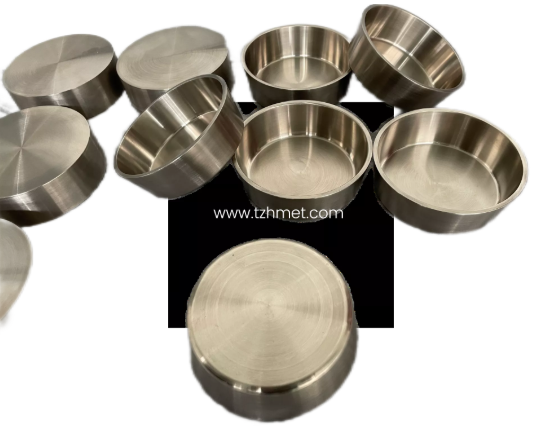
Nickel is an excellent example of a metal in the periodic table. Its high melting point, ability to form strong alloys, and conductivity make it a prime example of a transition metal. It shares these characteristics with metals like iron and copper, both of which are essential in various industrial applications.
Nickel's magnetic properties also reinforce its classification as a metal. Unlike metalloids, nickel exhibits ferromagnetic properties, which means it can be magnetized under certain conditions. This property is often utilized in electronics and energy storage applications, adding to its versatility.
Nickel’s physical properties align closely with other metals. For example:
Iron: Like iron, nickel has high tensile strength and is magnetic at room temperature. This makes nickel a good substitute for iron in specific applications where additional corrosion resistance is needed.
Copper: Similar to copper, nickel is resistant to oxidation and corrosion, making it valuable in environments exposed to water or chemicals. Nickel and copper are often combined to form alloys like Monel, which is widely used in marine engineering.
Nickel’s ability to form durable alloys, especially with iron and copper, is a significant reason for its widespread use in steel production and other industrial applications. These properties make it essential in products that require both strength and resistance to environmental factors.
| Property | Nickel | Iron | Copper | Aluminum |
|---|---|---|---|---|
| Conductivity | Excellent | Moderate | Excellent | Good |
| Corrosion Resistance | High | Low | High | Moderate |
| Malleability | High | Moderate | High | Very High |
| Magnetic Properties | Ferromagnetic | Ferromagnetic | Non-magnetic | Non-magnetic |
Nickel is a core component in the production of various alloys, particularly stainless steel. Stainless steel, known for its resistance to rust and strength, typically contains 8–12% nickel, which improves the durability and corrosion resistance of the material. It’s used in products ranging from kitchenware to medical instruments, highlighting its versatility.
Nickel is also alloyed with copper (e.g., Monel), chromium, and iron to create materials that can withstand extreme conditions. These alloys are essential in marine, aerospace, and chemical industries. Nickel’s role in creating corrosion-resistant alloys has made it a vital material in industries where longevity and resistance to harsh conditions are crucial.
Nickel plays a crucial role in electroplating, where it’s used to coat metals for added protection against corrosion. Its high resistance to oxidation makes it a perfect candidate for electroplating applications in automotive and electronics industries. The electroplated nickel coating can improve the lifespan of various products by providing a durable layer of protection.
Nickel is also a key component in nickel-cadmium (Ni-Cd) batteries, which are rechargeable and commonly used in power tools, cameras, and other electronic devices. The metal’s ability to store and release energy makes it invaluable in battery technology. These batteries are widely used in applications where long-lasting, reliable power is needed.
Nickel’s properties are starkly different from those of nonmetals. Nonmetals, such as sulfur and oxygen, are typically poor conductors of heat and electricity. This makes them ideal for use as insulators in electrical systems. Additionally, nonmetals tend to be brittle when solid, breaking easily under pressure, which contrasts with nickel’s durability and malleability. In comparison, nickel is an excellent conductor of both electricity and heat, similar to other metals like copper and aluminum. Furthermore, unlike nonmetals, which often lack the ability to be shaped or molded, nickel is malleable and can be formed into wires, sheets, or other shapes without losing its structural integrity. These fundamental differences make it clear that nickel shares none of the defining characteristics of nonmetals, reinforcing its classification as a metal.
Metalloids, often described as having properties of both metals and nonmetals, display semi-conductive abilities, which are especially useful in electronics and semiconductor technology. However, nickel does not exhibit these semi-conductive characteristics. Instead, nickel is a highly efficient conductor, similar to other metals such as iron and copper. Unlike metalloids, nickel has a distinct ability to form durable and strong alloys, such as those used in stainless steel. Additionally, nickel's ferromagnetic properties, which allow it to be magnetized, further differentiate it from metalloids like silicon and arsenic. While metalloids are commonly brittle and poor conductors, nickel is malleable, tough, and excellent at conducting energy. These significant differences solidify that nickel fits squarely into the metal category, not as a metalloid.
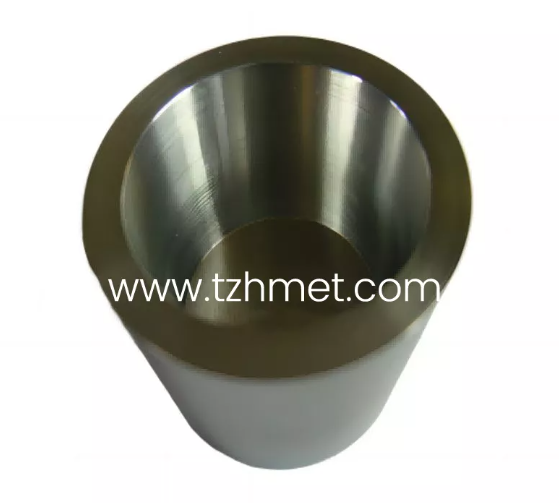
Nickel is undeniably classified as a metal. It exhibits all the hallmark traits of metals, including excellent electrical and thermal conductivity, malleability, and strength. As a transition metal, it seamlessly fits within the metallic group, sharing its key characteristics with other elements like iron, copper, and aluminum. Nickel's ability to form alloys, such as those used in stainless steel, enhances its value across industries. Its corrosion resistance and durability in harsh environments are additional traits that distinguish it as a metal. These attributes make nickel indispensable in various industrial applications, from manufacturing to electronics, confirming its place as a metal on the periodic table.
Despite its clear classification as a metal, nickel often sparks confusion due to its diverse range of applications and some of its less typical characteristics. For instance, nickel can be somewhat brittle under certain conditions, which is a trait more commonly associated with metalloids. This property, however, does not overshadow its overall metal-like behavior. The versatility of nickel—being both malleable and resistant to corrosion—further solidifies its classification as a metal. Some may mistake these occasional deviations as signs of a nonmetal or metalloid, but its overall physical and chemical properties align firmly with metals. Nickel’s superior conductivity and capacity to form strong, durable alloys make it a prime example of a transition metal.
Nickel is an essential metal with wide applications in manufacturing, aerospace, and energy. Its unique properties, such as excellent conductivity, strength, and corrosion resistance, make it indispensable in modern industries. Understanding its classification as a metal highlights its critical role in alloy production, electroplating, and other technological advancements. The ongoing importance of nickel in various sectors, from electronics to structural materials, demonstrates its value.
Baoji Taizehui Metal Technology Co., Ltd. provides innovative products that leverage the unique advantages of nickel. Their offerings play a key role in industries where durability and performance are paramount.
Q: Is nickel a metal, nonmetal, or metalloid?
A: Nickel is a metal. It shares key characteristics of metals, such as high conductivity, malleability, and resistance to corrosion, making it a prime example of a transition metal.
Q: What are the properties of nickel metal?
A: Nickel metal is known for its excellent conductivity, high strength, and resistance to oxidation. These properties make it ideal for use in alloys, electronics, and electroplating.
Q: Why is nickel considered a metal?
A: Nickel is considered a metal due to its ability to conduct electricity, its malleability, and its shiny appearance. It also forms strong alloys, which are essential in various industries.
Q: Can nickel be used in nonmetal applications?
A: While nickel is a metal, it can be used in a variety of applications that require nonmetal materials, such as insulators or semiconductors, in its alloyed forms or specific contexts.
Q: How does nickel compare to other metals?
A: Nickel shares many similarities with other metals like copper and iron, including conductivity and corrosion resistance. However, nickel stands out for its unique alloying capabilities, especially in stainless steel production.
Q: Is nickel a transition metal?
A: Yes, nickel is a transition metal located in Group 10 and Period 4 of the periodic table. It is known for its strength, corrosion resistance, and excellent heat resistance.
Q: What are the unique physical properties of nickel?
A: Nickel is a silvery-white, lustrous metal with a slight golden tinge. It is hard, ductile, and ferromagnetic at room temperature, making it essential for magnetic alloys.
Q: Is nickel considered a heavy metal?
A: Yes, nickel is classified as a heavy metal. While it is essential for some biological processes in small amounts, high concentrations can be toxic, which is why it's strictly regulated in industrial use.


