
Views: 0 Author: Site Editor Publish Time: 2026-01-14 Origin: Site
Choosing the right material is crucial for performance and durability. Tantalum wire and Stainless Steel are both key players in various industries, offering unique benefits. In this article, we’ll compare these materials, exploring their applications, strengths, and limitations. By the end, you’ll understand when to choose Tantalum wire and when Stainless Steel is the better option.
Tantalum (Ta) is a rare, blue-gray metal known for its excellent corrosion resistance and high melting point, making it suitable for extreme environments. It is most commonly used in industries like aerospace, medical implants, and chemical processing. Tantalum’s high density and strength-to-weight ratio make it invaluable for applications that require both durability and reliability, especially in harsh conditions. A standout feature of tantalum is its biocompatibility, which is why it is widely used in medical devices like implants and surgical tools. Additionally, tantalum wire is often employed in electronics for its superior electrical conductivity, particularly in capacitors.
Stainless steel, an alloy of iron, chromium, and sometimes nickel or molybdenum, is one of the most widely used metals worldwide. Known for its strength, versatility, and affordability, it is utilized in a wide range of industries, from construction and automotive manufacturing to medical devices and food processing. Stainless steel’s composition makes it resistant to corrosion, though not to the extreme levels seen with Tantalum. It is also easier to fabricate, which makes it ideal for a variety of applications requiring robust materials without the high cost associated with rarer metals like Tantalum.
Tantalum and Stainless Steel are both durable and resistant to corrosion, but they are ideal for different applications due to their unique properties. Tantalum excels in extreme conditions, such as high temperatures and aggressive chemicals, where Stainless Steel would struggle. However, Stainless Steel offers a more cost-effective solution for general-purpose uses. The comparison of these two materials hinges on understanding their distinct characteristics and how they match up against each other in real-world applications.
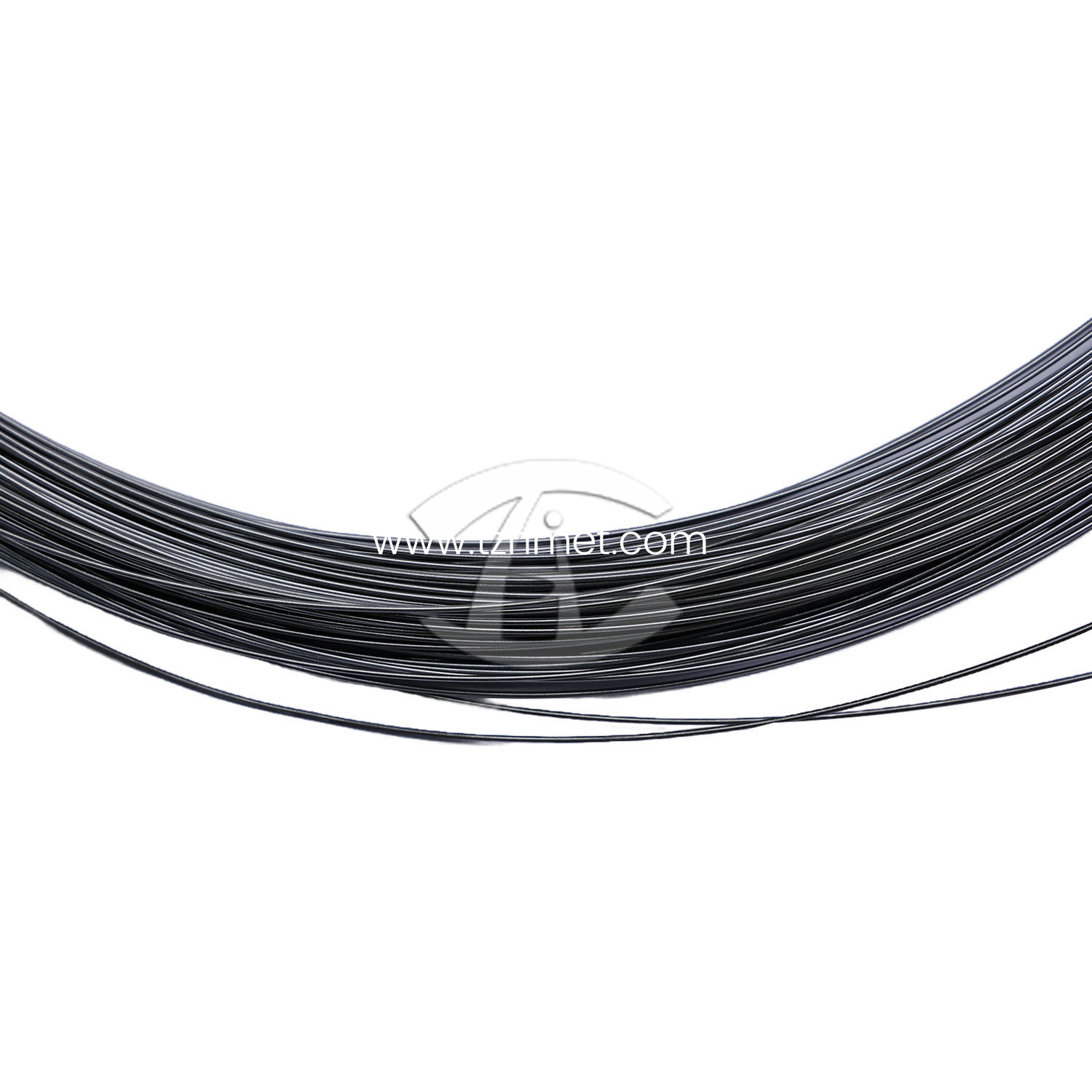
Tantalum and Stainless Steel perform quite differently in various corrosive environments. Tantalum has exceptional corrosion resistance, particularly in strong acids, saltwater, and other chemicals, whereas Stainless Steel is commonly used in general industrial applications but is prone to corrosion in more aggressive environments. The table below provides a detailed comparison of both materials' performance in corrosive environments.
| Material | Corrosion Resistance | Applicable Environments | Types of Corrosion | Corrosion Rate (microns/year) | Common Applications |
|---|---|---|---|---|---|
| Tantalum | Extremely high | Strong acids, strong bases, saltwater, chlorides | None, oxidation | Low (microns/year) | Chemical processing, medical implants, aerospace |
| Stainless Steel | Good | Saltwater, mild acids, general industrial environments | Pitting, corrosion | Moderate (microns/year) | Construction, kitchen equipment, automotive, food industry |
Tip: Tantalum is ideal for environments with strong corrosion risks but is costly. Stainless Steel is more affordable and widely applicable in less aggressive environments.
When it comes to heat resistance, Tantalum outperforms Stainless Steel by a significant margin. Tantalum has a much higher melting point, around 3000°C, which allows it to withstand extreme temperatures without losing its strength. This makes it suitable for aerospace, chemical processing, and nuclear applications. Stainless Steel, while it has good thermal resistance, melts at a lower temperature (around 1450°C) and is less effective at dissipating heat. As such, for high-temperature environments where heat dissipation and thermal stability are paramount, Tantalum is often preferred.
Both Tantalum and Stainless Steel are strong materials, but Tantalum excels in applications requiring a higher strength-to-weight ratio. Tantalum is denser than Stainless Steel, providing exceptional strength while maintaining a compact size. It’s perfect for aerospace and defense sectors where high-performance materials are necessary. Stainless Steel, while also strong, is often used in structural applications where cost and ease of fabrication are more important than ultimate strength. For applications involving high stress or demanding mechanical loads, Tantalum’s toughness and durability offer significant advantages.
| Material | Tensile Strength (MPa) | Yield Strength (MPa) | Hardness (HB) | Density (g/cm³) | Durability | Common Applications |
|---|---|---|---|---|---|---|
| Tantalum | 210-540 | 140-390 | 125-160 | 16.65 | High | Aerospace, chemical processing, high-performance applications |
| Stainless Steel | 530-1160 | 190-870 | 150-180 | 7.9 | Moderate | Construction, food industry, automotive, household items |
Tantalum’s unique properties, including its high melting point, excellent corrosion resistance, and strength, make it a top choice for aerospace and military applications. In aerospace, Tantalum is used in components that need to withstand extreme heat and pressure, such as in rocket nozzles, turbine blades, and exhaust systems. Additionally, its ability to resist corrosion in aggressive environments makes it ideal for military applications where longevity and durability are critical, including in missile components and aircraft engines.
Tantalum’s biocompatibility is one of its most important features, making it a preferred material in medical implants. Its ability to integrate with human tissue without causing rejection makes it suitable for joint replacements, dental implants, and other surgical tools. Tantalum wire is also used in medical electronics, particularly in capacitors and other electronic components found in medical devices. The combination of strength, biocompatibility, and corrosion resistance ensures that Tantalum remains an essential material for medical applications.
Tantalum’s resistance to corrosion in highly acidic and corrosive environments makes it an ideal choice for chemical processing equipment. Components such as heat exchangers, reactors, and valves used in chemical industries are often made from Tantalum due to its ability to withstand exposure to strong acids, bases, and reactive chemicals. In contrast, Stainless Steel is less effective in these environments, particularly when dealing with concentrated acids or chlorides.
Stainless Steel is widely used in a range of industries because it offers an excellent balance of cost, strength, and corrosion resistance. For industries where cost-effectiveness is key, such as in manufacturing and construction, Stainless Steel is the material of choice. Its ease of fabrication and availability make it an attractive alternative to more expensive materials like Tantalum, especially in applications that do not require the extreme properties offered by Tantalum.
Stainless Steel’s versatility is unmatched when it comes to household and commercial applications. From kitchenware, such as sinks and utensils, to large-scale commercial kitchen equipment, Stainless Steel is the go-to material due to its strength, durability, and ease of cleaning. It is also used in architectural elements like railings, door handles, and fixtures due to its aesthetic appeal and resistance to rust and staining.
In the construction industry, Stainless Steel is indispensable due to its combination of strength, flexibility, and corrosion resistance. While Tantalum wire is often used in niche applications that require extreme resilience and corrosion resistance, Stainless Steel remains the material of choice for structural reinforcement in buildings, bridges, and facades. Its ability to withstand harsh environmental conditions while maintaining aesthetic appeal makes it a preferred option in modern architecture.
The initial cost of Tantalum is significantly higher than that of Stainless Steel due to its rarity, extraction process, and complex refining techniques. Tantalum’s high cost makes it suitable for specialized, high-performance applications but less ideal for everyday industrial use. Stainless Steel, on the other hand, is much more affordable and widely available, making it a go-to choice for industries requiring large volumes of material at a lower cost.
Although Tantalum has a higher upfront cost, its exceptional durability and corrosion resistance can result in long-term savings. For example, components made from Tantalum last longer and require less maintenance in harsh environments, reducing the need for replacements and repairs. In contrast, Stainless Steel may require more frequent maintenance or replacement in extreme conditions, potentially leading to higher long-term costs.
For industries where performance and reliability are critical, such as aerospace or medical implants, the higher cost of Tantalum is justified by its superior properties. Tantalum wire offers exceptional resilience in challenging conditions, offering long-term cost savings by reducing the need for repairs or replacements. In contrast, for general-purpose uses, Stainless Steel remains more cost-efficient, especially in non-extreme conditions where its performance meets the necessary standards without the need for Tantalum’s specialized features.
In terms of high-temperature resistance, Tantalum is the clear winner. Its melting point of around 3000°C allows it to perform under extreme heat, making it ideal for applications in aerospace and chemical processing industries where high temperatures are common. Stainless Steel, while it can handle moderate temperatures, has a much lower melting point and is more susceptible to thermal degradation in extreme conditions.
Tantalum’s unparalleled resistance to corrosion, especially in acidic environments, makes it the preferred material in industries dealing with aggressive chemicals. For example, in the chemical industry, Tantalum components can last much longer than Stainless Steel when exposed to highly corrosive substances. Stainless Steel, while resistant to many corrosive environments, is not as resilient in extreme cases, especially when dealing with concentrated acids or saltwater.
Tantalum is highly favored in electronics for its superior conductivity, while Stainless Steel is not used in electrical applications due to its lower conductivity. The table below compares the electrical conductivity of Tantalum and Stainless Steel.
| Material | Electrical Conductivity (S/m) | Electrical Applications | Suitable Components | Electrical Performance |
|---|---|---|---|---|
| Tantalum | 10^6 | Capacitors, energy storage devices | Capacitors, electronic components | Excellent |
| Stainless Steel | 1.4×10^5 | Non-electrical applications | Not suitable for electronic devices | Low |
Tip: Tantalum is essential for electronic components where high electrical conductivity is needed, such as capacitors and energy storage devices.
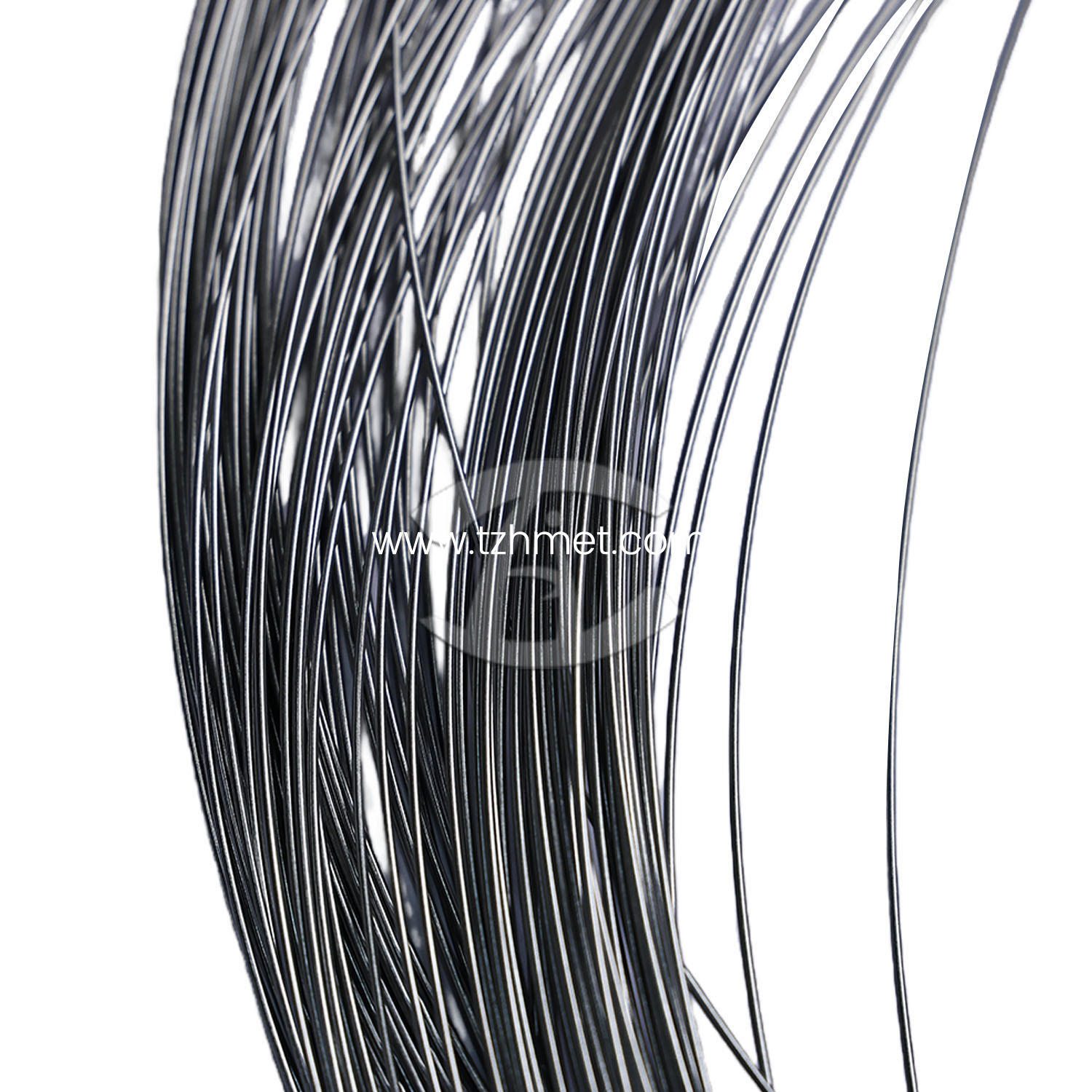
Advances in materials science are bringing forward alternatives like graphene, titanium alloys, and advanced composites that could complement or challenge Tantalum and Stainless Steel. Graphene, known for its exceptional strength and conductivity, may become crucial in applications requiring lightweight, high-strength materials, such as aerospace. Titanium alloys, with their excellent strength-to-weight ratio and corrosion resistance, are also gaining traction in industries where Tantalum wire is traditionally used, especially in medical implants and high-performance electronics.
Sustainability is becoming a key consideration in material selection, and both Tantalum and Stainless Steel are recyclable. However, Stainless Steel is more commonly recycled due to its widespread use and availability. Tantalum, while recyclable, is often not recycled as frequently due to its limited supply and high extraction costs. As sustainability efforts grow, new recycling techniques may emerge, making both metals more environmentally friendly.
Niobium and titanium alloys are being researched as potential substitutes for Tantalum in various high-performance applications. Niobium, like Tantalum, offers corrosion resistance and high-temperature stability but at a lower cost, making it attractive for industrial applications. Titanium alloys also provide good corrosion resistance and strength but may not match the specific properties of Tantalum, such as its biocompatibility, making Tantalum wire indispensable in medical devices. However, these alternatives show promise for cost-effective solutions where Tantalum’s unique combination of properties is not required.
In summary, Tantalum and Stainless Steel are both highly valuable materials, but they serve different purposes depending on the requirements of the application. Tantalum excels in extreme environments, offering superior corrosion resistance, high-temperature performance, and electrical conductivity, making it ideal for aerospace, medical, and chemical industries. Stainless Steel, on the other hand, offers a cost-effective solution for general industrial use, with versatility across a wide range of applications. By understanding the key differences between these materials, businesses can make informed decisions based on cost, performance, and application needs. Baoji Taizehui Metal Technology Co., Ltd. provides high-quality Tantalum wire that offers exceptional durability, corrosion resistance, and biocompatibility for industries requiring precision and reliability in harsh conditions.
A: Tantalum wire is widely used in the electronics industry for its excellent electrical conductivity. It is commonly found in capacitors, resistors, and other high-performance electronic components due to its stability and corrosion resistance.
A: While both Tantalum and Stainless Steel offer corrosion resistance, Tantalum excels in extreme environments, with superior heat resistance and durability in harsh chemical conditions. Stainless Steel is more cost-effective but is less resistant to severe corrosion.
A: Tantalum is favored in aerospace for its high melting point, strength, and excellent corrosion resistance. These properties make Tantalum wire and other components ideal for high-stress environments such as rocket nozzles and turbine blades.
A: Tantalum wire is highly biocompatible, which makes it perfect for medical implants. It integrates well with human tissue and resists corrosion, ensuring the longevity and safety of implants such as joint replacements and dental fixtures.
A: Yes, Tantalum wire is more expensive than Stainless Steel due to its rarity and complex extraction process. However, its superior properties in extreme conditions can justify the higher cost for high-performance applications.
A: If your application requires high corrosion resistance, heat tolerance, and electrical conductivity, Tantalum wire is the better choice. Stainless Steel is more suitable for general-purpose uses, where cost-effectiveness is key.


