
Have you ever wondered about the stunning stone that rivals diamonds? Cubic zirconium (CZ) is a synthetic gemstone that has captured attention in both jewelry and industry.
In this article, we’ll explore what cubic zirconium is, its origins, and why it’s valued in various applications. You’ll learn about its unique properties and how it compares to natural zirconium.
Cubic zirconium (CZ) is primarily made up of zirconium dioxide, scientifically represented as (ZrO_{2}). This chemical compound is the foundation of CZ's unique properties. It is synthesized through various processes that involve heating zirconium oxide powder to high temperatures. This method ensures the production of a stable and durable material, making it suitable for both jewelry and industrial applications.
To enhance its stability, cubic zirconium often includes stabilizers such as yttrium oxide. These additives play a crucial role in maintaining the crystal structure of CZ. By preventing the formation of undesirable phases during cooling, they ensure the gemstone retains its brilliance and clarity.
● Enhanced Durability: Stabilizers increase resistance to wear and tear.
● Improved Clarity: They help maintain the clear appearance of the stone.
● Consistent Quality: Stabilizers ensure uniformity in production, leading to reliable products.
While cubic zirconium is a synthetic material, natural zirconium is a metal found in various minerals. The two differ significantly in terms of properties and applications. Natural zirconium is often used in industries like aerospace and nuclear energy due to its strength and resistance to corrosion.
Property | Cubic Zirconium (CZ) | Natural Zirconium |
Composition | Zirconium dioxide (ZrO₂) | Metallic zirconium |
Appearance | Brilliant, diamond-like | Metallic, less lustrous |
Common Uses | Jewelry, optics | Aerospace, nuclear reactors |
Production Method | Synthetic, lab-created | Mined from natural sources |
In summary, the composition of cubic zirconium not only defines its physical characteristics but also influences its applications across various fields. The combination of zirconium dioxide and stabilizers results in a versatile material that meets the demands of both consumers and industries.
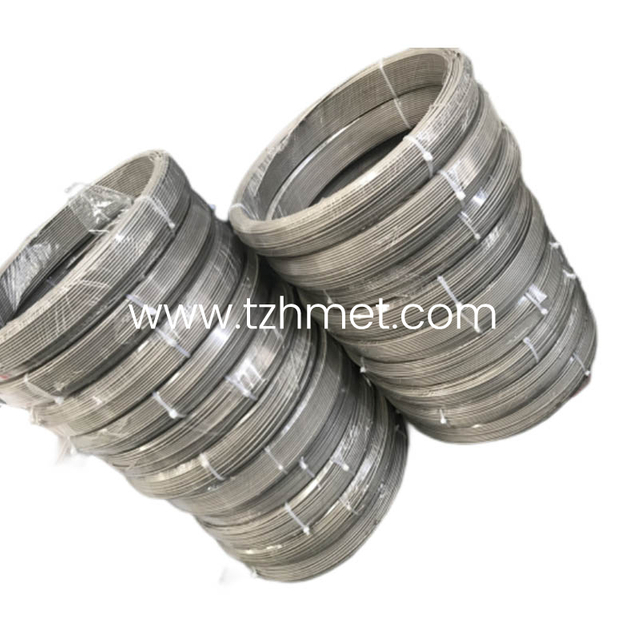
Cubic zirconium (CZ) stands out due to its remarkable physical and chemical properties. These characteristics make it a popular choice in jewelry and various industrial applications. Let's dive into what makes cubic zirconium so unique.
Cubic zirconium is renowned for its stunning clarity and brilliance. Its diamond-like luster makes it an attractive alternative for those seeking the sparkle of diamonds without the high price tag. When light hits CZ, it reflects beautifully, creating a dazzling effect that catches the eye.
On the Mohs scale, cubic zirconium rates between 8 and 8.5, indicating its impressive hardness. This rating means CZ is durable enough to withstand scratches and everyday wear, making it suitable for various types of jewelry, including rings, necklaces, and earrings.
Property | Cubic Zirconium (CZ) | Diamond |
Mohs Hardness | 8 - 8.5 | 10 |
Scratch Resistance | High | Extremely High |
Durability | Excellent | Excellent |
CZ is denser than natural diamonds. This means that a cubic zirconium stone of the same size will weigh more than a diamond. While this density difference can be a giveaway for experts, it also adds to the substantial feel of CZ jewelry.
One of the standout features of cubic zirconium is its chemical stability. CZ is highly resistant to tarnishing, which means it maintains its brilliant appearance over time. Unlike some natural gemstones, it does not easily react with environmental factors, making it a low-maintenance option for jewelry wearers.
When we compare cubic zirconium to natural gemstones, CZ holds its own. While many natural stones can chip or scratch more easily, cubic zirconium's hardness and resistance to wear ensure it remains beautiful for years.
Property | Cubic Zirconium (CZ) | Natural Gemstones |
Tarnishing | Highly resistant | Varies by type |
Wear Resistance | Excellent | Varies widely |
Long-term Appearance | Maintains clarity | May fade or scratch |
Cubic zirconium’s combination of physical and chemical properties not only enhances its appeal but also guarantees it remains a favorite in both jewelry and industrial applications. From its diamond-like sparkle to its impressive durability, CZ continues to impress consumers and professionals alike.
Creating cubic zirconium (CZ) involves a sophisticated production process that ensures its quality and brilliance. This section explores the various manufacturing methods, the conditions required for high-quality CZ, and how lab-created zirconium differs from its natural counterpart.
The primary method for producing cubic zirconium is through the melting of zirconium oxide powder. This process involves heating the powder to extremely high temperatures, usually above 2,500 degrees Celsius. During this phase, the zirconium oxide transforms into a molten state, allowing it to form crystals as it cools down.
1. Preparation of Raw Materials: High-purity zirconium oxide powder is sourced and prepared.
2. Melting: The powder is heated in a controlled environment to achieve a molten state.
3. Cooling and Crystallization: As the molten zirconium oxide cools, it forms crystals of cubic zirconium.
4. Cutting and Polishing: The crystals are then cut and polished to enhance their clarity and brilliance.
To produce high-quality cubic zirconium, specific conditions must be met during the manufacturing process. These include:
● Controlled Temperature: Maintaining the right temperature is crucial for achieving the desired crystal structure.
● Purity of Materials: Using high-purity zirconium oxide prevents impurities that could affect the final product's clarity.
● Stabilizers: Adding stabilizers like yttrium oxide during the melting process enhances the durability and stability of the crystals.
Condition | Importance |
Temperature Control | Ensures proper crystallization |
Material Purity | Prevents defects and enhances clarity |
Use of Stabilizers | Improves durability and stability |
While cubic zirconium is synthetically produced, natural zirconium is derived from minerals found in the earth. The main differences between lab-created and natural zirconium lie in their properties and applications.
Feature | Lab-Created Zirconium (CZ) | Natural Zirconium |
Production Method | Synthetic, controlled process | Mined from natural sources |
Purity Level | High purity, minimal impurities | Varies based on mineral source |
Cost | Generally more affordable | Often more expensive |
Lab-created zirconium offers consistent quality and lower costs, making it a popular choice for jewelry and industrial applications. In contrast, natural zirconium, while valuable, may come with variations and higher prices.
The production process of cubic zirconium highlights the advanced techniques used to create this stunning gemstone. Understanding these methods helps consumers appreciate the quality and value of CZ in the market.
Cubic zirconium (CZ) is not only admired for its beauty but also for its versatility in various fields. Its applications span from dazzling jewelry to crucial industrial uses. Let's explore how CZ is utilized in both sectors.
Cubic zirconium is a popular choice in the jewelry industry, often used in earrings, necklaces, and rings. Its diamond-like appearance makes it an attractive alternative for those seeking elegance without the hefty price tag. Many people appreciate CZ for its affordability and stunning brilliance.
● Earrings: CZ earrings can range from simple studs to elaborate chandelier designs.
● Necklaces: Many necklaces feature CZ as the central stone, enhancing their visual appeal.
● Rings: Engagement and fashion rings often use CZ due to its durability and sparkle.
1. Cost-Effective: CZ is significantly cheaper than diamonds, making it accessible for all budgets.
2. Variety: It can be produced in various colors, offering more options for consumers.
3. Durability: With a hardness rating of 8-8.5 on the Mohs scale, CZ is robust enough for daily wear.
Notable brands like Swarovski and Zales have integrated cubic zirconium into their jewelry lines, showcasing its appeal and versatility. These brands offer a range of stylish pieces that highlight the beauty of CZ, making it a popular choice among consumers.
Beyond jewelry, cubic zirconium plays a significant role in various industrial applications. Its unique properties make it ideal for use in laser technology, optics, and medical equipment.
● Laser Technology: CZ is used in laser systems for its optical clarity and durability.
● Optics: In precision optics, cubic zirconium provides high-quality lenses that are resistant to scratching and wear.
● Medical Equipment: CZ is utilized in medical devices due to its biocompatibility and strength.
● High Refractive Index: This property enhances light transmission, making it ideal for optical applications.
● Chemical Stability: CZ's resistance to chemical reactions ensures longevity in various environments.
Several companies, such as Baoji Taizehui Metal Technology Co., Ltd., incorporate zirconium and its compounds in their industrial processes. These applications demonstrate how cubic zirconium contributes to advancements in technology and manufacturing.
Application Area | Benefits of CZ |
Jewelry | Affordable, durable, and versatile |
Laser Technology | High clarity and precision |
Optics | Scratch-resistant and chemically stable |
Medical Equipment | Biocompatible and strong |
Cubic zirconium's diverse applications highlight its significance in both consumer markets and industrial sectors. Its ability to combine beauty and functionality makes it a valuable material across various fields.
Cubic zirconium (CZ) and natural diamonds are often compared because they share similar appearances but differ significantly in terms of composition, value, and characteristics. This section explores their material differences and visual characteristics to help you understand how they stack up against each other.
The primary distinction between cubic zirconium and diamonds lies in their chemical composition. Cubic zirconium is made of zirconium dioxide ((ZrO_{2})), while natural diamonds are composed of pure carbon arranged in a crystal lattice structure. This fundamental difference affects their properties and applications.
Property | Cubic Zirconium (CZ) | Natural Diamonds |
Chemical Composition | Zirconium Dioxide (ZrO₂) | Pure Carbon (C) |
Formation Process | Synthetic | Natural (high-pressure conditions) |
Density | 5.6 g/cm³ | 3.5 g/cm³ |
When it comes to pricing, cubic zirconium is significantly more affordable than natural diamonds. A cubic zirconium stone can cost a fraction of what a diamond of similar size and appearance would command. This price difference makes CZ an attractive option for consumers looking for beauty without the high cost.
Item | Average Price per Carat |
Cubic Zirconium (CZ) | $20 - $50 |
Natural Diamonds | $2,000 - $20,000+ |
Cubic zirconium is designed to mimic the sparkle and brilliance of diamonds. It has a higher refractive index than diamonds, which means it can exhibit more fire and brilliance under light. However, some gemologists argue that natural diamonds possess a unique sparkle due to their perfect crystal structure.
Both cubic zirconium and diamonds are durable, but their longevity differs. While CZ has a hardness rating of 8-8.5 on the Mohs scale, diamonds rank at a perfect 10. This means that diamonds are less likely to scratch or show wear over time. CZ may dull or scratch more easily, especially if exposed to harsh conditions.
Characteristic | Cubic Zirconium (CZ) | Natural Diamonds |
Hardness (Mohs Scale) | 8 - 8.5 | 10 |
Resistance to Scratching | Moderate | Excellent |
Longevity | Good, but may require replacement | Excellent, lasts a lifetime |
Cubic zirconium and natural diamonds serve different purposes and appeal to different consumers. While CZ offers an affordable and visually appealing alternative, natural diamonds maintain their status as a timeless symbol of luxury and durability. Understanding these differences can help you make informed choices when selecting jewelry.
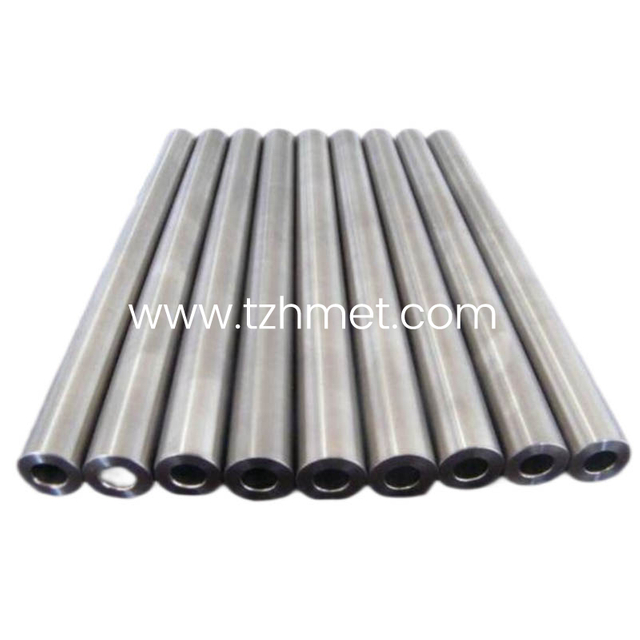
Cubic zirconium (CZ) has gained popularity as a beautiful and affordable alternative to diamonds. However, several misconceptions persist regarding its value, quality, and the stigma surrounding synthetic gemstones. This section aims to clarify these myths and provide a better understanding of cubic zirconium.
One common myth is that cubic zirconium is of lesser quality compared to natural gemstones. While it is true that CZ is a synthetic stone, this does not diminish its value or beauty. In fact, cubic zirconium is engineered to be flawless and often exhibits more brilliance than natural diamonds due to its higher refractive index.
Aspect | Cubic Zirconium (CZ) | Natural Diamonds |
Clarity | Almost flawless | Varies (inclusions common) |
Brilliance | Higher refractive index | Lower than CZ |
Cost | Affordable | Expensive |
Many consumers mistakenly believe that CZ lacks value because it is not a natural stone. However, CZ offers excellent durability and beauty, making it a valuable choice for those seeking stunning jewelry without the high price tag.
Another misconception is the stigma associated with synthetic gemstones. Some people view synthetic stones as inferior or fake, believing they lack the emotional value of natural gems. This perception can deter individuals from considering cubic zirconium as a viable option.
1. Ethical Considerations: CZ is often produced in environmentally friendly conditions, avoiding the ethical concerns tied to mining natural gemstones.
2. Accessibility: Synthetic stones like CZ make beautiful jewelry accessible to a wider audience, allowing more people to enjoy stunning designs.
3. Customization Options: CZ can be made in various colors and sizes, offering unique choices that natural stones may not provide.
Benefit | Description |
Ethical Production | Environmentally friendly |
Affordability | Accessible luxury |
Variety | Wide range of colors and styles |
Cubic zirconium deserves recognition for its beauty, durability, and ethical production. By debunking these misconceptions, consumers can make informed choices about their jewelry options, appreciating the value that cubic zirconium brings to the market.
Cubic zirconium is an important and versatile material. It offers beauty and durability, making it a popular choice in jewelry. CZ serves as an affordable alternative to diamonds, appealing to many consumers.
In industrial applications, its unique properties enhance technology and precision. When choosing jewelry or industrial materials, cubic zirconium is a fantastic option worth considering.
A: Cubic zirconium (CZ) is a synthetic gemstone made from zirconium dioxide, while zirconium is a metal used in various industrial applications.
A: Yes, CZ is an affordable and visually appealing alternative to diamonds, offering similar brilliance and durability.
A: CZ is often flawless and has a higher refractive index, making it appear more brilliant than diamonds, which may have inclusions.
A: Producing CZ is generally more environmentally friendly, as it avoids the ecological damage associated with diamond mining.


