
Is tantalum a metal, nonmetal, or metalloid? Tantalum is a transition metal, not a nonmetal or a metalloid. It belongs to Group 5 of the periodic table and is classified as a refractory metal due to its extraordinary resistance to heat and wear. Its dense, ductile, and highly corrosion-resistant properties make it a pure metallic element (Symbol: Ta, Atomic Number: 73).
Tantalum is one of the most resilient metals on the planet, essential in modern technology. It can withstand extreme temperatures, harsh chemicals, and mechanical stress.
In this article, we will explore the unique properties of tantalum, including its corrosion resistance and high melting point. You will also discover how it plays a critical role in industries like electronics, aerospace, and medical devices.
Tantalum is a rare, dense, and highly durable metal with a unique combination of properties that make it indispensable in a wide range of industrial applications. Known for its exceptional corrosion resistance and high melting point, this metal plays a critical role in modern technology, particularly in industries such as electronics, aerospace, medical devices, and chemical processing.
Its versatility is evident in its ability to withstand extreme conditions, including high temperatures and aggressive chemical environments, while maintaining its strength and functionality. Whether it’s used in the tiny capacitors powering smartphones or in aerospace engines that endure immense heat and stress, tantalum’s exceptional characteristics ensure reliability and performance across various sectors.
As a transition metal with the symbol Ta, tantalum belongs to the group of refractory metals, which are known for their ability to endure extreme temperatures and wear. It is highly valued in industries that require materials capable of withstanding challenging conditions. The metal is recognized for several important chemical and physical properties that distinguish it from other metals, making it essential for high-performance applications:
High Melting Point: Tantalum has a melting point that exceeds 3,000°C, placing it among the highest melting metals. This makes it ideal for applications requiring high-temperature stability, such as in aerospace and industrial manufacturing.
Corrosion Resistance: Tantalum is highly resistant to corrosion, especially in environments with aggressive chemicals. It remains stable even when exposed to concentrated sulfuric acid, hydrochloric acid, and aqua regia (a mixture of concentrated nitric and hydrochloric acids). This resistance makes it a preferred choice for chemical processing equipment, including reactors, heat exchangers, and corrosion-resistant linings.
High Density: Tantalum has a density of 16.6 g/cm³, contributing to its superior strength and durability.
Ductility: Despite its high density, tantalum retains a high degree of ductility, meaning it can be easily formed or bent without breaking. This property makes it versatile for various manufacturing processes, including bending, stamping, and pressing.
| Property | Tantalum Value |
|---|---|
| Melting Point | Over 3,000°C |
| Density | 16.6 g/cm³ |
| Corrosion Resistance | Resistant to sulfuric acid, hydrochloric acid, aqua regia |
| Ductility | High, can be easily formed or bent without breaking |
| Electrical Conductivity | Excellent |
| Thermal Conductivity | Excellent |
Tantalum is primarily extracted from columbite-tantalite (commonly known as coltan), a mineral found in ore deposits globally. Once extracted, tantalum undergoes several processes to purify the metal and make it suitable for a variety of applications.
The extraction process involves separating tantalum from other minerals, notably niobium, through solvent extraction, a liquid-liquid separation technique. This method ensures the isolation of tantalum from the other minerals in the ore, allowing for its further refinement.
After the extraction process, tantalum undergoes various techniques like powder metallurgy, electrolysis, and reduction methods to produce high-purity tantalum metal. The result is a material that can be shaped into different forms such as sheets, rods, wires, or powder, depending on the specific needs of the application.
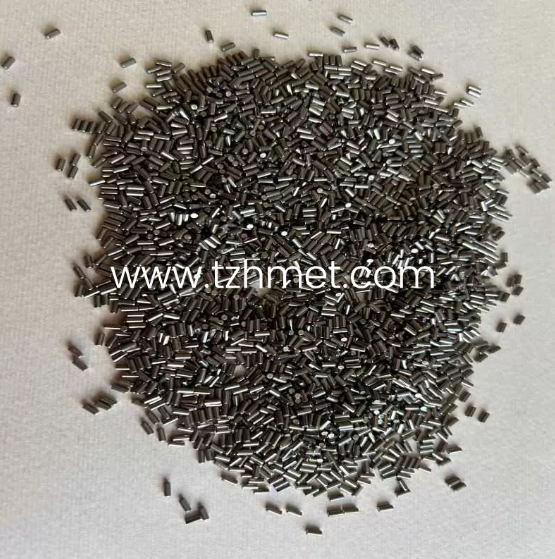
Tantalum’s extraordinary resistance to degradation makes it one of the most valuable metals for use in harsh environments. Its ability to withstand corrosion is particularly important in industries that deal with aggressive chemicals or extreme conditions. Tantalum is commonly used in applications where exceptional durability and corrosion resistance are crucial, such as in chemical reactors, heat exchangers, and medical implants.
In the medical field, tantalum is widely used because of its biocompatibility. This means it does not cause irritation or adverse reactions when in contact with the human body. For example, tantalum is used in surgical implants such as joint replacements, bone implants, and prosthetics, where its non-reactive nature ensures that these implants perform safely and reliably over a long period. Tantalum’s properties help reduce the risk of complications, ensuring that medical devices remain durable and functional over time.
In industries focusing on chemical processing, tantalum's unparalleled ability to resist corrosion makes it the ideal material for dealing with highly aggressive chemicals. It can withstand the toughest conditions, including exposure to concentrated acids, alkalis, and other harsh substances. As a result, tantalum is often used for reactor linings, heat exchangers, and various critical components that need to operate in environments where other metals would quickly corrode.
Tantalum’s excellent electrical conductivity makes it indispensable in the electronics industry, where it plays a critical role in the production of capacitors. These tantalum capacitors are essential components in many modern electronic devices, including smartphones, laptops, and automotive electronics. Their high capacitance, combined with their small size, allows them to store more energy in a smaller package, making them highly efficient. This capability makes tantalum capacitors the preferred choice for devices that require compact, reliable energy storage.
In addition to its electrical properties, tantalum exhibits remarkable thermal stability. It is able to maintain its structural integrity even under extreme temperature conditions, which is vital for high-temperature applications. This quality makes tantalum ideal for industries such as aerospace, military, and industrial manufacturing, where components must endure both high heat and mechanical stress. Tantalum’s ability to remain stable and reliable in these environments ensures that it continues to play a key role in industries where performance cannot be compromised. Whether used in jet engines, turbine blades, or industrial heat exchangers, tantalum’s thermal properties provide consistent and dependable performance.
Tantalum is essential in the electronics sector, where it is primarily used to produce capacitors. These tantalum capacitors are integral to modern electronic devices because they offer high capacitance in a compact design. This enables the creation of smaller, more efficient components for smartphones, laptops, and automotive electronics.
Beyond capacitors, tantalum is used in microelectronics, particularly for thin-film applications in semiconductors. Tantalum’s resistance to high temperatures and its corrosion-resistant properties make it ideal for use in microelectronics that operate in harsh conditions, such as high-performance computers, mobile phones, and automotive electronics.
For a deeper dive into how tantalum capacitors behave in modern circuits, see this detailed analysis of their polarity and reliability.
Tantalum’s high melting point and resistance to corrosion make it indispensable in the aerospace and military sectors. Tantalum alloys are commonly used in critical components like jet engines, rocket nozzles, and turbine blades, where they must withstand high temperatures and mechanical stresses. These alloys maintain their strength and integrity even in the harshest conditions, ensuring the reliability and longevity of these components.
In military equipment, tantalum’s ability to endure high-temperature and high-stress conditions is crucial. Its alloys help improve the performance and durability of aerospace and defense systems, enabling them to perform under extreme conditions.
Tantalum’s biocompatibility and corrosion resistance make it indispensable in the medical industry. It is used extensively in the manufacture of surgical implants, such as joint replacements, bone implants, and prosthetics. Its non-reactive properties make it a safe and long-lasting choice for implants that remain inside the body.
Tantalum also plays a critical role in medical imaging. Due to its high density, it is an excellent X-ray absorber, making it invaluable in the creation of X-ray imaging devices used in stents, pacemakers, and joint replacements. Tantalum’s ability to provide clear images without interfering with the X-ray process makes it an essential material in medical diagnostics.
| Industry Sector | Application of Tantalum | Key Benefits |
|---|---|---|
| Electronics | Tantalum capacitors | High capacitance in a small form factor |
| Aerospace | Jet engines, rocket nozzles, turbine blades | High temperature and corrosion resistance |
| Medical | Surgical implants (e.g. joint replacements, bone implants) | Biocompatible and long-lasting |
| Chemical Processing | Reactors, heat exchangers, corrosion-resistant linings | Resistance to acids and alkalis |
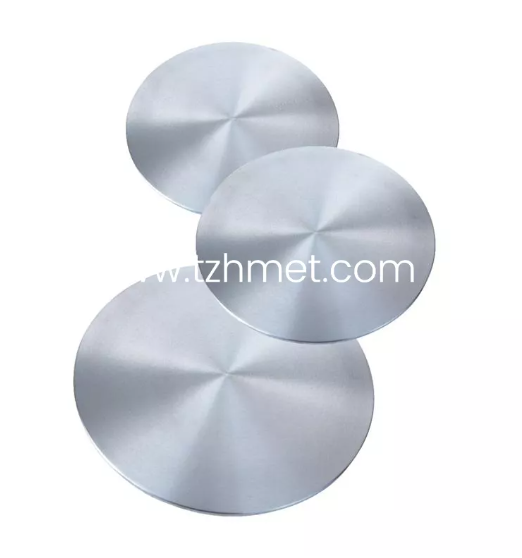
Tantalum’s superior corrosion resistance distinguishes it from other metals like platinum and titanium. While platinum can be reactive under certain conditions and titanium can be affected by specific acids, tantalum is almost impervious to corrosion. It performs reliably in aggressive environments, making it the material of choice for applications in chemical processing, aerospace, and medical fields.
Tantalum’s resistance to chemical degradation ensures its longevity and reliability in conditions where other metals would fail. This ability to withstand exposure to harsh chemicals and high temperatures ensures that tantalum remains essential for industries dealing with aggressive substances.
Curious how Tantalum stacks up against Titanium in strength and corrosion resistance? Check out this detailed comparison for deeper insight.
Tantalum’s high melting point of over 3,000°C gives it the ability to endure extreme heat without degrading. This makes it an invaluable material for use in aerospace applications, rocket nozzles, and industrial furnaces where other metals, such as tungsten and molybdenum, might fail due to heat stress.
When compared to other refractory metals, tantalum’s unique combination of heat resistance and corrosion resistance allows it to outperform in high-performance applications, where its durability and stability are crucial.
Tantalum is frequently alloyed with other metals to enhance their strength, ductility, and thermal resistance. Tantalum-tungsten alloys and tantalum-niobium alloys are particularly useful in aerospace and chemical processing, where high-temperature strength and corrosion resistance are vital.
Tantalum also enhances the ductility of alloys, improving their ability to bend and form without breaking. This property is especially important in industries where metal components are required to handle both extreme heat and mechanical stress.
Tantalum alloys are widely used to produce superalloys for jet engines, turbine blades, and nuclear reactors. These superalloys possess exceptional resistance to heat, corrosion, and wear, making them suitable for the most demanding applications in aerospace and defense sectors.
In addition to superalloys, tantalum is also combined with metals like nickel, cobalt, and iron to form alloys that offer enhanced mechanical properties. These alloys are ideal for use in high-stress, high-temperature applications where strength and durability are paramount.
| Tantalum Alloy | Composition | Primary Uses |
|---|---|---|
| Tantalum-Tungsten Alloy | Tantalum + Tungsten | Aerospace, high-temperature applications |
| Tantalum-Niobium Alloy | Tantalum + Niobium | Chemical processing equipment, corrosion-resistant linings |
| Tantalum Superalloys | Tantalum + Nickel/Cobalt/Iron | Jet engines, turbine blades, nuclear reactors |
Tantalum is an extraordinary metal used across various high-performance industries. Its exceptional durability and corrosion resistance make it invaluable in electronics, aerospace, and medical technologies. As the demand for smaller devices and reliable implants grows, tantalum remains central to meeting these needs.
Ongoing advancements in sourcing, processing, and materials science will ensure that tantalum plays a key role in future technologies. Baoji Taizehui Metal Technology Co., Ltd. offers products that meet these evolving demands, delivering outstanding value with their durable and high-performance materials for diverse industries.
Q: What is tantalum metal?
A: Tantalum is a rare, dense, and highly durable metal known for its exceptional corrosion resistance and high melting point. It is widely used in industries like electronics, aerospace, and medical technology.
Q: Why is tantalum used in electronics?
A: Tantalum is commonly used in electronics for making capacitors. Its high capacitance in a small volume makes it ideal for smartphones, laptops, and other compact devices.
Q: What makes tantalum resistant to corrosion?
A: Tantalum's resistance to corrosion comes from its ability to form a protective oxide layer that shields it from chemical reactions, even in harsh environments.
Q: How is tantalum processed?
A: Tantalum is extracted from columbite-tantalite ore and processed through techniques like powder metallurgy and electrolysis to purify and shape it into various forms.
Q: Is tantalum considered a metalloid?
A: No, tantalum is a transition metal. While it shares high corrosion resistance with some metalloids, its physical properties like high ductility and excellent electrical conductivity are characteristic of metals.
Q: What group and period is tantalum in?
A: Tantalum is located in Group 5 (VB) and Period 6 of the periodic table.
Q: Why is tantalum called a refractory metal?
A: It belongs to the group of refractory metals because its melting point (2996°C) is significantly higher than most other metals, making it ideal for high-temperature applications.
Q: Is tantalum a noble metal?
A: Although tantalum is highly resistant to chemical attack (similar to noble metals like gold), it is chemically classified as a transition metal.


