
Views: 0 Author: Site Editor Publish Time: 2025-12-29 Origin: Site
Did you know that nickel is essential in many everyday products? This versatile metal plays a crucial role in industries like electronics, aerospace, and energy. In this post, we’ll explore what nickel is used for and why it’s so important in modern technology and manufacturing.
Nickel is a versatile metal known for its unique properties and wide-ranging applications. It is a silvery-white element, often recognized for its shiny appearance. One of its most notable physical characteristics is its high ductility, meaning it can be easily shaped without breaking. This property makes nickel suitable for various industrial uses, including the production of alloys.
● Appearance: Nickel has a lustrous, silvery-white look, making it visually appealing in various applications.
● Ductility: It can be drawn into thin wires or shaped into intricate designs, showcasing its flexibility.
● Melting Point: Nickel melts at approximately 1455°C (2651°F), allowing it to withstand high temperatures in many industrial processes.
Nickel exhibits remarkable chemical properties, particularly its resistance to corrosion. This characteristic is crucial for its use in environments where exposure to moisture and chemicals is common. Here are some key points:
● Corrosion Resistance: Nickel resists oxidation and corrosion, making it ideal for applications in harsh environments.
● Reactivity: While it does react with some acids, it remains stable in many conditions, further enhancing its usability.
Nickel has a rich history dating back to its discovery in the 18th century. It was first isolated in 1751 by Swedish chemist Axel Fredrik Cronstedt. Initially, it was mistaken for silver, leading to its name derived from the German word "kupfernickel," meaning "copper false." Over the years, nickel's importance has grown, especially with the advent of stainless steel and battery technologies.
Nickel is available in various forms, each tailored for specific applications. Here are the most common types:
1. Pure Nickel: This form is used in applications requiring high conductivity and corrosion resistance.
2. Nickel Alloys: These are combinations of nickel with other metals, enhancing strength and durability. Examples include:
a. Inconel: A nickel-chromium alloy known for its high-temperature strength.
b. Monel: A nickel-copper alloy used in marine applications due to its resistance to seawater.
Form of Nickel | Description | Common Uses |
Pure Nickel | High conductivity and corrosion resistance | Electronics, coins |
Nickel Alloys | Enhanced strength and durability | Aerospace, chemical processing |
Nickel's versatility makes it a critical component in many industries, from manufacturing to electronics. Its unique properties allow it to perform well in various applications, ensuring its continued relevance in modern technology.
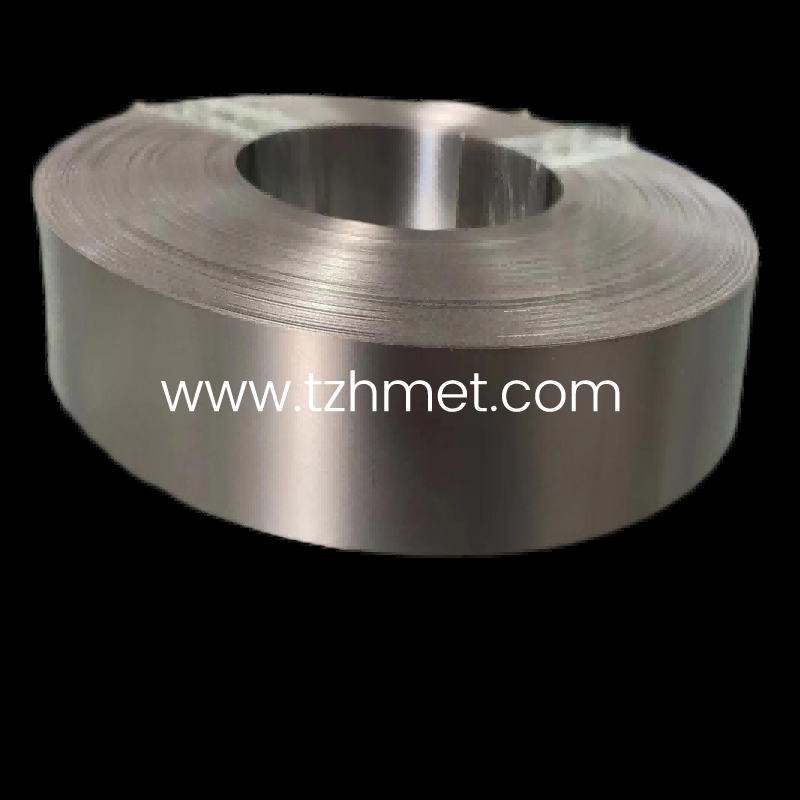
Nickel plays a vital role in various industries, thanks to its unique properties. From enhancing the strength of stainless steel to powering electric vehicles, nickel is indispensable in modern manufacturing. Let’s explore its key applications in several sectors.
Nickel is crucial in producing stainless steel, a material known for its durability and resistance to corrosion. By adding nickel, manufacturers can significantly improve the strength and longevity of stainless steel. In fact, approximately 65-70% of global nickel production is used in stainless steel manufacturing. This extensive use highlights how essential nickel is in creating high-quality products.
Product Type | Common Uses |
Kitchenware | Sinks, cutlery, cookware |
Medical Instruments | Surgical tools, implants |
Construction Materials | Structural components, pipes |
Stainless steel products, such as kitchen sinks and medical instruments, showcase nickel's importance in everyday life.
Nickel is a key component in lithium-ion batteries, especially those used in electric vehicles (EVs). Its high conductivity enhances battery performance, making it essential for energy storage solutions. Compared to other battery types like nickel-metal hydride (NiMH) and nickel-cadmium (NiCd), lithium-ion batteries offer higher energy density and longer life.
Tzhmet produces nickel products specifically designed for lithium battery production. These products ensure high conductivity and efficiency, making them ideal for the growing renewable energy sector.
In the aerospace and defense industries, nickel-based superalloys like Inconel are critical. These materials are used in jet engines and turbine blades due to their ability to maintain strength at extreme temperatures. The benefits of nickel in these applications include:
● High-Temperature Stability: Nickel alloys can withstand the intense heat generated during flight.
● Durability: They resist wear and tear, ensuring safety and reliability.
Components made from nickel alloys are essential for the functionality of aircraft and defense systems, particularly those supplied by Tzhmet.
Electroplating is a process where a layer of nickel is deposited onto a surface to enhance its appearance and protect it from corrosion. This technique is widely used in various industries, including automotive and household fixtures. The benefits of nickel electroplating include:
● Aesthetic Appeal: Nickel plating gives a shiny, attractive finish.
● Protection: It prevents rust and corrosion, extending the life of products.
For instance, Tzhmet utilizes nickel plating to improve the durability and corrosion resistance of its products, ensuring they meet high-quality standards.
Nickel has a long history in coinage, dating back centuries. Today, it remains significant in modern currency. For example, the U.S. 5-cent piece contains 25% nickel and 75% copper. Minting companies prioritize the quality of nickel used to ensure durability and longevity in coins.
Coin Type | Composition |
U.S. 5-Cent Piece | 25% Nickel, 75% Copper |
Canadian Nickel Coin | 100% Nickel |
Nickel's role in coinage not only highlights its utility but also its cultural significance in everyday transactions.
Nickel is not just important in everyday products; it also plays a crucial role in specialized and scientific applications. From catalyzing chemical reactions to enhancing marine engineering solutions, nickel's versatility shines through. Let’s explore some of its key uses across different fields.
Nickel is widely recognized for its role as a catalyst in various chemical reactions, particularly in hydrogenation processes. This means it helps speed up reactions without being consumed in the process. One of its most significant applications is in the food industry, where nickel catalysts are used in the production of margarine. This process involves converting liquid vegetable oils into solid fats, making margarine a popular alternative to butter.
Tzhmet manufactures high-quality nickel products specifically designed for catalytic processes, ensuring efficiency and effectiveness in industrial applications.
In marine engineering, copper-nickel alloys are favored for their exceptional corrosion resistance in seawater applications. This property makes them ideal for use in environments where metal components are exposed to harsh conditions. Here are some common applications:
● Desalination Plants: Nickel alloys are used in pipes and components that handle seawater, ensuring longevity and reliability.
● Boat Propeller Shafts: These alloys prevent corrosion, increasing the lifespan of marine vessels.
Application Type | Benefits of Nickel Alloys |
Desalination Plants | Corrosion resistance, durability |
Boat Propeller Shafts | Enhanced strength, reduced maintenance costs |
Tzhmet contributes to marine engineering solutions by providing nickel products that meet the stringent demands of this industry.
Nickel plays a vital role in the electronics industry, where it is used in various devices, including connectors and capacitors. Its excellent conductivity and resistance to corrosion make it an ideal choice for many electronic applications. Additionally, nickel is crucial in shielding sensitive components from electromagnetic interference, ensuring reliable performance in devices.
Tzhmet’s nickel products are designed to enhance the reliability and efficiency of electronic devices, making them indispensable in modern technology.
Nickel is also used in the production of Alnico magnets, which are known for their strong magnetic properties. These magnets are commonly found in various devices, from electric motors to loudspeakers. Additionally, nickel is a key component in shape memory alloys like Nitinol, which can remember their original shape when heated.
● Medical Stents: Nitinol is often used in stents due to its ability to expand and contract, making it ideal for medical applications.
● Eyeglass Frames: The shape memory property allows frames to return to their original shape after bending.
Application Type | Key Features |
Alnico Magnets | Strong magnetic properties |
Shape Memory Alloys | Ability to return to original shape |
These specialized applications highlight how nickel continues to innovate and improve various industries, showcasing its importance beyond everyday use.

Nickel is a valuable metal used in various industries, but its extraction and use come with environmental and health considerations. Understanding these aspects is crucial for ensuring sustainable practices and workplace safety.
Nickel mining can have significant ecological effects. The extraction process often leads to habitat disruption, which can harm local wildlife and plant species. Mining operations can also result in soil and water contamination, affecting entire ecosystems. Here are some key points to consider:
● Habitat Disruption: Mining activities can destroy natural habitats, leading to loss of biodiversity.
● Water Pollution: Runoff from mining sites may introduce harmful substances into nearby water sources, impacting aquatic life.
Environmental Concern | Description |
Habitat Loss | Destruction of ecosystems due to mining activities |
Water Contamination | Introduction of toxins into water bodies |
To mitigate these impacts, recycling nickel is essential. Recycling reduces the need for new mining, conserving natural resources and minimizing ecological disruption. It also plays a vital role in sustainable practices across industries, emphasizing the importance of reusing materials.
Regulations and standards govern nickel usage to ensure environmental protection. Various organizations set guidelines for safe mining practices and emissions control, helping to minimize the ecological footprint of nickel production.
While nickel is useful, exposure to it can lead to health issues. People working in industries that use nickel may face risks, including skin allergies and respiratory problems. Here are some important health considerations:
● Skin Allergies: Nickel can cause allergic reactions in some individuals, leading to dermatitis and other skin conditions.
● Respiratory Issues: Inhalation of nickel dust or fumes can result in respiratory problems, including asthma and lung irritation.
Health Risk | Description |
Skin Allergies | Reactions that can cause rashes and discomfort |
Respiratory Problems | Issues stemming from inhaling nickel particles |
To ensure workplace safety, guidelines for handling nickel are crucial. Employers should implement safety measures, such as providing protective equipment and proper ventilation in work areas. Training workers on safe handling practices can significantly reduce health risks associated with nickel exposure.
By being aware of both the environmental and health aspects of nickel, industries can adopt safer and more sustainable practices, benefiting both people and the planet.
Nickel is essential in various industries, showcasing its diverse applications. From stainless steel production to electronics, it plays a vital role in modern technology.
Looking ahead, innovations in nickel use promise exciting advancements, particularly in renewable energy and sustainable practices.
We encourage you to explore more about nickel and its many applications, as it continues to shape our world.
A: Nickel is primarily used in stainless steel, rechargeable batteries, electronics, and marine engineering.
A: Nickel enhances corrosion resistance and strength, making stainless steel durable and versatile.
A: Nickel is essential in lithium-ion batteries, improving energy density and performance, especially in electric vehicles.
A: Nickel exposure can cause skin allergies and respiratory issues, necessitating safe handling practices.
A: Yes, recycling nickel conserves resources and reduces environmental impact from mining.
A: Tzhmet employs strict quality control measures and uses high-grade materials for its nickel products.


