
Views: 0 Author: Site Editor Publish Time: 2025-12-28 Origin: Site
Did you know that zirconium is essential in many high-tech applications? This remarkable metal is not only corrosion-resistant but also withstands extreme temperatures.
In this article, we’ll explore what zirconium is, its chemical properties, and why it’s crucial across various industries. You’ll learn about its natural occurrence and extraction process, as well as its historical significance.
Zirconium is a fascinating metal that plays a crucial role in various applications across multiple industries. Understanding its properties and significance can shed light on why it is so widely used today.
Zirconium is a transition metal, represented by the chemical symbol Zr and atomic number 40. It is known for its remarkable resistance to corrosion and high temperatures, which makes it exceptionally useful in harsh environments. Zirconium is a shiny, silvery-white metal that is relatively hard and has a high melting point of approximately 1,855 degrees Celsius (3,371 degrees Fahrenheit).
● Atomic Mass: 91.22 g/mol
● Density: 6.52 g/cm³
● Melting Point: 1,855 °C (3,371 °F)
● Boiling Point: 4,468 °C (8,474 °F)
Zirconium is typically found in nature as part of the mineral zircon (ZrSiO₄). The extraction process involves mining zircon sand, which is then refined to produce zirconium metal. This process may include several steps, such as crushing, grinding, and chemical separation, to yield pure zirconium suitable for industrial use.
The importance of zirconium extends back to its discovery in the early 19th century. It was first isolated in 1824 by Swedish chemist Jöns Jacob Berzelius. Since then, its applications have expanded significantly.
Zirconium's unique properties have made it valuable in various fields, particularly in the nuclear and aerospace industries. It became widely used in the 20th century, especially during World War II, when its high resistance to heat and corrosion was recognized as essential for military applications.
Zirconium is crucial in several sectors, including:
● Nuclear Industry: Used in fuel cladding to encase uranium pellets, preventing contamination and ensuring safety.
● Chemical Processing: Its corrosion resistance allows for the construction of equipment that handles aggressive chemicals.
● Aerospace: Employed in components that must withstand extreme temperatures and stresses, such as jet engines.
Industry | Zirconium's Role |
Nuclear | Fuel cladding for reactors |
Chemical Processing | Equipment resistant to corrosive substances |
Aerospace | Components for high-temperature applications |
Zirconium’s ability to excel in high-temperature and reactive environments makes it indispensable in modern technology. Its ongoing relevance highlights the need for continued research and innovation in its applications, paving the way for future advancements in various fields.
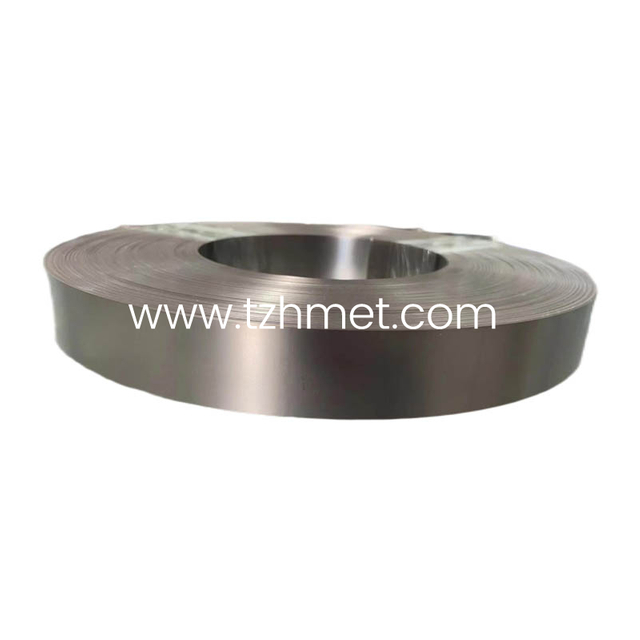
Zirconium is a remarkable metal known for its unique properties, making it essential in various industries. Let's dive into its key characteristics.
One of the standout features of zirconium is its exceptional corrosion resistance. Unlike many metals, it can withstand highly corrosive environments. For example, zirconium can endure sulfuric acid concentrations of up to 70%. This makes it invaluable in chemical processing applications, where other materials might fail.
Metal | Corrosion Resistance | Notes |
Zirconium | Excellent | Resistant to sulfuric acid |
Stainless Steel | Moderate | Corrosion-resistant but less than Zr |
Nickel Alloys | Good | Performs well but not as durable as Zr |
Zirconium’s ability to resist corrosion helps ensure the longevity and reliability of equipment in harsh environments.
Another significant property of zirconium is its high-temperature stability. It maintains its strength and structural integrity even under extreme conditions. This thermal resistance is crucial in industries such as aerospace and nuclear power, where materials are subjected to intense heat.
Zirconium can withstand temperatures far beyond what many other metals can handle. Its performance in high-temperature applications makes it a preferred choice for components in jet engines and reactors.
Zirconium is not just useful in industrial applications; it also plays a vital role in medicine. Its biocompatibility makes it suitable for medical implants, particularly in joint replacements like hips and knees. This means it can safely exist in the human body without causing adverse reactions.
The use of zirconium in medical devices ensures durability and reliability. Its properties help create implants that can withstand the stresses of daily use while remaining safe for patients.
Application | Zirconium's Role |
Joint Implants | Provides strength and biocompatibility |
Dental Restorations | Used in crowns and bridges |
Surgical Instruments | Offers corrosion resistance and strength |
Zirconium’s unique combination of properties makes it an invaluable material across various fields, from industrial applications to medical technology.
Zirconium is a versatile metal used in various industries due to its unique properties. Its exceptional characteristics make it an essential material in applications ranging from nuclear energy to consumer products. Let's explore its major applications across different fields and see how it impacts our daily lives.
Zirconium plays a critical role in the nuclear industry, particularly in nuclear fuel cladding. This process involves encasing uranium pellets in zirconium tubes, which prevents contamination and ensures safe operation within reactors. Its low neutron absorption rate is vital for maintaining reactor efficiency. Companies like Westinghouse and Areva utilize zirconium in their reactor components, relying on its excellent corrosion resistance and high-temperature stability.
In addition to cladding, zirconium is used in various reactor components, including pressure tubes and guide tubes. These parts are essential for maintaining the integrity of nuclear reactors, allowing them to operate efficiently and safely. The reliability of zirconium in these applications is key to the overall performance of nuclear facilities. Its ability to withstand extreme conditions helps ensure the safety of nuclear energy production, making it a cornerstone of modern energy solutions.
In the chemical processing sector, zirconium is invaluable for its corrosion-resistant properties. Equipment such as heat exchangers and containers made from zirconium can handle aggressive chemicals that would damage other materials. Brands like Alfa Laval and Swagelok manufacture this type of equipment, ensuring durability and reliability in chemical environments.
Equipment Type | Zirconium's Role |
Heat Exchangers | Provides corrosion resistance and longevity |
Chemical Containers | Safely stores aggressive substances, preventing leaks |
Zirconium's ability to withstand harsh conditions makes it a go-to choice for industries dealing with corrosive substances. Its long-lasting nature reduces maintenance costs and downtime, making it an economically sound investment for companies.
The aerospace industry heavily relies on zirconium for various components in jet engines and spacecraft. Specific parts, such as turbine blades, are made from this metal due to its strength and heat resistance. Companies like Boeing and Airbus utilize zirconium to enhance the efficiency and safety of their aircraft. The lightweight nature of zirconium also contributes to fuel efficiency, which is crucial in aviation.
Beyond its standalone applications, zirconium serves as an alloying agent. It enhances the properties of other metals, particularly in aircraft manufacturing, improving strength and durability. This versatility makes zirconium a critical material in modern aerospace engineering, where performance and safety are paramount. By improving the mechanical properties of alloys, zirconium helps create stronger, lighter materials that can withstand the rigors of flight.
Zirconium is also prominent in the field of ceramics, particularly as zirconia. This material is widely used in dental restorations, such as crowns and bridges, thanks to its aesthetic appeal and durability. Brands like Nobel Biocare produce high-quality dental products using zirconia, which closely resembles natural teeth and offers excellent biocompatibility.
In addition to dental applications, zirconium is found in high-performance cutting tools. Companies like Kyocera manufacture tools that leverage zirconium’s strength and wear resistance, making them ideal for precision machining. These tools are essential in industries requiring high durability and sharpness, such as automotive and aerospace manufacturing.
Application | Zirconium's Use |
Dental Restorations | Crowns and bridges that mimic natural teeth |
Industrial Tools | High-performance cutting implements for precision |
Zirconium also finds use in refractory materials, essential for applications in extreme heat environments. It is used in furnace linings and crucibles, where high thermal stability is required. Zirconium's ability to withstand high temperatures without degrading makes it ideal for industries involved in metal processing and glass manufacturing.
Zirconium’s applications extend into consumer products as well. In cosmetics, it serves as a key ingredient in many antiperspirants, providing effective moisture control. Brands that incorporate zirconium compounds ensure their products deliver on performance, making them popular among consumers looking for reliable personal care solutions.
In the medical field, zirconium is utilized in joint implants, such as hip and knee replacements. Manufacturers like Stryker and Zimmer Biomet rely on zirconium for its biocompatibility and strength, ensuring patient safety and comfort. The use of zirconium in these devices minimizes the risk of rejection by the body, enhancing the overall success rate of surgical procedures.
Product Type | Zirconium's Role |
Joint Implants | Provides strength and biocompatibility, reducing rejection risk |
Dental Products | Ensures durability and aesthetic appeal in dental restorations |
Zirconium is also found in electronics, particularly in vacuum tubes and catalytic converters. Brands like General Electric utilize zirconium for its stability and performance, making it a reliable choice in electronic applications. Its effectiveness in these roles contributes to improved energy efficiency and reduced emissions in various devices.
Zirconium truly shines across various sectors, showcasing its versatility and importance in modern technology and manufacturing. Its unique properties not only enhance the performance of products but also ensure safety and reliability in critical applications.
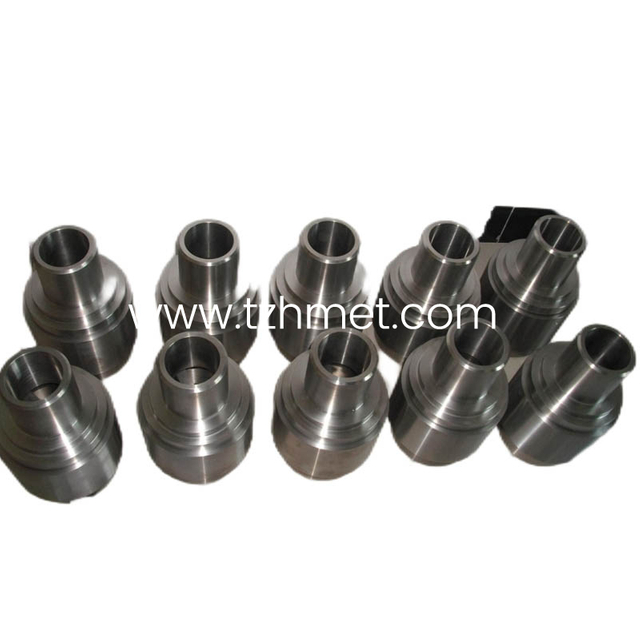
As we look ahead, the future of zirconium appears bright, driven by emerging technologies and sustainability considerations. This remarkable metal is poised to play an even more significant role in various industries, particularly as innovations continue to unfold.
One of the most exciting areas for zirconium is its potential in hydrogen storage solutions. As the world shifts toward cleaner energy sources, hydrogen is gaining attention as a viable alternative. Zirconium's unique properties make it an ideal candidate for storing hydrogen safely and efficiently. Researchers are exploring how zirconium can be used to create lightweight, durable storage systems that can withstand high pressures and temperatures.
Recent advancements in zirconium applications include:
● Hydrogen Fuel Cells: Zirconium’s stability in reactive environments positions it well for use in hydrogen fuel cells, which are essential for clean energy vehicles.
● Battery Technology: Zirconium is being studied for its potential in enhancing battery performance, particularly in solid-state batteries that promise higher efficiency and safety.
● Nanotechnology: The development of zirconium-based nanomaterials could lead to breakthroughs in electronics and medical devices, offering improved performance and functionality.
Innovation Area | Zirconium's Role |
Hydrogen Storage | Safe and efficient storage solutions |
Fuel Cells | Enhancing performance in clean energy |
Battery Technology | Potential for solid-state batteries |
These innovations could transform how we utilize energy and technology, making zirconium a key player in the future of sustainable solutions.
As industries focus more on sustainability, the environmental impact of zirconium production and recycling processes becomes increasingly important. Zirconium is often sourced from zircon sand, which requires careful mining practices to minimize ecological damage. Companies are now exploring more sustainable mining methods to reduce their carbon footprint.
Recycling zirconium not only conserves resources but also reduces waste. The recycling process involves reclaiming zirconium from used products, such as nuclear fuel cladding or industrial equipment. This reclaimed zirconium can then be purified and reused in new applications, significantly lowering the demand for newly mined zirconium.
Recycling Benefits | Impact |
Resource Conservation | Reduces need for new mining |
Environmental Protection | Minimizes ecological damage |
Cost Efficiency | Lowers production costs for manufacturers |
By implementing effective recycling practices, we can ensure that zirconium remains a sustainable choice for future applications. This approach not only supports environmental goals but also promotes economic efficiency in industries reliant on this versatile metal.
Zirconium's future is filled with potential, driven by technological advancements and a commitment to sustainability. As we continue to innovate, this metal will likely become even more integral to our modern world.
Zirconium is an essential metal known for its versatility and unique properties. Its importance spans various industries, including nuclear, chemical processing, and aerospace.
Key applications highlight zirconium's ability to withstand high temperatures and corrosive environments.
Exploring zirconium products can reveal their numerous advantages. Brands that utilize zirconium are recognized for their reliability and innovation, making them a smart choice for consumers.
A: Zirconium is used in cosmetics, medical devices, and electronics, enhancing durability and performance.
A: Zirconium is more corrosion-resistant and has a higher melting point than many metals, making it ideal for extreme environments.
A: Yes, zirconium can be recycled, conserving resources and reducing environmental impact.
A: Zirconium is biocompatible, reducing rejection risks in implants and improving patient safety.
A: Zirconium products are available from specialized manufacturers in industries like aerospace, medical, and chemical processing.


