
Views: 0 Author: Site Editor Publish Time: 2025-11-16 Origin: Site
Did you know that many people confuse nickel with ferrous metals? While nickel is often used alongside iron, it is actually classified as a non-ferrous metal. This raises the question: is nickel a ferrous metal or not?
In this article, we will explore the differences between ferrous and non-ferrous metals, focusing on nickel’s unique properties and its industrial uses. You’ll gain a clear understanding of nickel metal and why it is not classified as ferrous.
Nickel is a vital metal widely used across various industries, yet there is often confusion around its classification. The question, "Is nickel a ferrous metal?" is one that frequently arises, particularly in industries where metal selection is crucial. To address this, it’s important first to understand the key differences between ferrous and non-ferrous metals. Ferrous metals, which are primarily composed of iron, are often magnetic and tend to rust over time when exposed to moisture and oxygen. On the other hand, non-ferrous metals contain little to no iron, making them highly resistant to rust, corrosion, and wear. Understanding these distinctions is vital for selecting the appropriate material in various industrial applications, from construction and manufacturing to electronics and aerospace.
| Characteristic | Ferrous Metals | Non-Ferrous Metals |
|---|---|---|
| Iron Content | High (usually >90%) | Low or none |
| Magnetic Properties | Magnetic | Non-magnetic |
| Corrosion Resistance | Prone to rust | Highly resistant to corrosion |
| Common Examples | Steel, Cast Iron, Wrought Iron | Aluminum, Copper, Nickel, Lead |
| Applications | Construction, Automotive, Machinery | Electrical, Aerospace, Marine |
Ferrous metals are primarily defined by their significant iron content. These metals are generally stronger and more durable, making them ideal for use in heavy-duty applications. The high iron content is a defining characteristic that gives ferrous metals many of their unique properties.
Magnetic properties: The high iron content in ferrous metals, such as steel and cast iron, makes them magnetic. This is a critical feature in certain applications, such as in electric motors, transformers, and various other electrical components.
High iron content: These metals are primarily composed of iron, which gives them their strength and flexibility, but also makes them vulnerable to corrosion. The iron content can range from small traces to as much as 100%.
Prone to rust: Due to the presence of iron, ferrous metals are susceptible to rust, especially when exposed to moisture and oxygen. This is a natural process that causes the metal to deteriorate, creating iron oxide, or rust, unless they are treated or coated with a protective layer.
Steel: Steel is one of the most common ferrous metals, widely used in the construction industry, manufacturing, and even in household appliances. It is a versatile material that offers a combination of strength, formability, and low cost.
Cast Iron: Cast iron is another well-known ferrous metal, characterized by its hardness and wear resistance. It is often used in heavy-duty applications like automotive parts and machinery.
Construction: Steel, which is made from iron, is the primary material used in the construction of buildings, bridges, and infrastructure. Its ability to withstand heavy loads makes it indispensable for structural applications.
Automotive: Ferrous metals, particularly steel and cast iron, are critical in the manufacturing of automobile parts, including engine blocks, gears, and chassis. Their durability and strength make them ideal for this purpose.
Machinery: Due to their robustness, ferrous metals are commonly used in machinery and industrial equipment. Steel is especially valued for its ability to maintain strength even under high stress and heavy use.
Unlike ferrous metals, non-ferrous metals do not contain significant amounts of iron. This key difference gives non-ferrous metals unique characteristics, particularly when it comes to resistance to rust, corrosion, and their applications in high-performance environments.
Low or no iron content: Non-ferrous metals like aluminum, copper, and nickel contain minimal to no iron in their composition, which makes them highly resistant to rust and corrosion. This is a key factor in choosing these metals for applications in harsh environments.
Resistance to rust and corrosion: Non-ferrous metals do not rust like ferrous metals because they lack iron, which is necessary for the formation of rust. Instead, they form protective oxide layers when exposed to air, which helps to prevent further corrosion.
Aluminum: Known for its lightweight and corrosion-resistant properties, aluminum is used in a variety of applications, including in the aerospace industry, packaging, and consumer goods.
Copper: Copper is highly valued for its excellent conductivity, making it the material of choice for electrical wiring, electronics, and plumbing.
Lead: Lead is a dense and malleable metal, often used in batteries, radiation shielding, and in some types of soldering.
Nickel: While nickel is not magnetic and does not rust, it is often used in alloys due to its resistance to corrosion and its ability to withstand high temperatures.
Electrical components: Non-ferrous metals, especially copper and nickel, are essential in the production of electrical components such as wires, connectors, and batteries. Copper’s excellent conductivity makes it ideal for use in wiring, while nickel alloys are used in high-performance batteries and electrical equipment.
Aerospace: Non-ferrous metals like aluminum and nickel are critical to the aerospace industry. Aluminum’s lightweight nature makes it essential for aircraft and spacecraft construction, while nickel alloys are used in turbine blades and engine components due to their high-temperature resistance.
Marine applications: Nickel-based alloys, such as Monel, are highly resistant to corrosion in seawater, making them ideal for use in marine environments. These metals are used in shipbuilding, offshore platforms, and marine equipment.
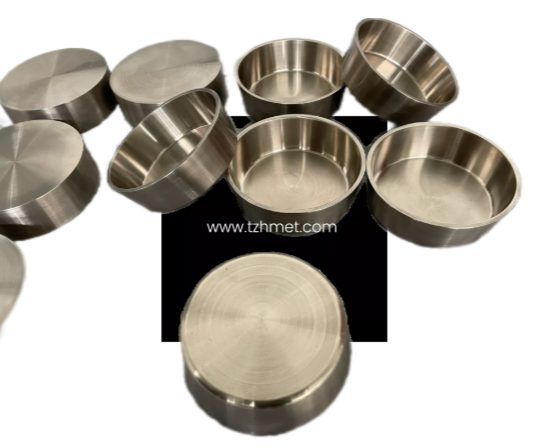
Nickel often sparks confusion when it comes to categorization. While it is frequently found in alloys with iron, it is not considered a ferrous metal due to its low iron content.
Nickel is a transition metal, which means it is found in the middle of the periodic table. It is a silvery-white metal known for its strength, durability, and excellent conductivity. Nickel has a face-centered cubic crystal structure, making it highly malleable and resistant to corrosion. While it shares some properties with ferrous metals, particularly iron, it does not contain a significant amount of iron itself, which is why it is classified as a non-ferrous metal.
Lower iron content: Ferrous metals like steel and cast iron are composed largely of iron, whereas nickel contains only trace amounts, making it less susceptible to rust.
Non-magnetic: Ferrous metals are magnetic due to their high iron content, but nickel, despite having some magnetic properties, is not considered a magnetic material in its pure form. This makes nickel distinct from ferrous metals.
| Property | Ferrous Metals | Nickel |
|---|---|---|
| Iron Content | High (typically >90%) | Low |
| Magnetic Properties | Magnetic (due to iron content) | Non-magnetic (at room temperature) |
| Rust Resistance | Prone to rust | Resistant to rust and corrosion |
| Use in Alloys | Often combined with other metals | Frequently used in alloys with iron and chromium (e.g., stainless steel) |
Nickel is widely used in alloys, particularly in the production of stainless steel. When nickel is added to iron and chromium, it creates an alloy that is both stronger and more resistant to corrosion than iron alone. Stainless steel, for example, contains up to 8% nickel, which significantly enhances its durability and makes it the material of choice for a wide range of applications, from kitchen appliances to medical instruments.
Nickel’s remarkable combination of properties makes it one of the most versatile metals used in modern industries. Its ability to resist corrosion, withstand extreme temperatures, and conduct heat and electricity is crucial in various technological and manufacturing processes.
Nickel is ferromagnetic at room temperature, meaning it exhibits magnetic properties, though not as strongly as iron. Additionally, nickel is known for its high electrical and thermal conductivity, making it ideal for use in batteries, electronics, and heat exchangers where efficient energy transfer is crucial.
Nickel’s ability to resist rust and oxidation is one of its most valued properties. This makes it an ideal material for applications exposed to harsh environments, such as in marine environments, chemical processing facilities, and high-temperature industrial machinery. The natural oxidation resistance of nickel helps to ensure that it does not degrade as easily as ferrous metals when exposed to moisture, saltwater, or chemicals.
Nickel’s unique properties have made it indispensable in a variety of industries. From alloys to electroplating, nickel plays a critical role in ensuring the durability and performance of numerous products.
The majority of global nickel production is used in the creation of alloys, particularly stainless steel. In these alloys, nickel helps to increase the strength, corrosion resistance, and durability of iron, especially under high-temperature or corrosive conditions. Nickel is also used in other alloys such as Monel and Inconel, which are used in aerospace and chemical processing due to their resistance to heat and corrosion.
| Alloying Element | Purpose of Nickel in Alloying | Common Alloys with Nickel |
|---|---|---|
| Iron | Enhances corrosion resistance and strength | Stainless steel, Inconel, Monel |
| Chromium | Provides rust resistance and hardness | Stainless steel, high-temperature alloys |
| Molybdenum | Improves strength and resistance to wear | Marine alloys, aerospace alloys |
Batteries: Nickel is essential in the production of nickel-cadmium (Ni-Cd) and nickel-metal hydride (NiMH) batteries, which are commonly used in electric vehicles, rechargeable consumer electronics, and other portable devices.
Electroplating: Nickel is used in electroplating processes where a thin, durable layer of nickel is applied to the surface of metals to enhance their corrosion resistance and aesthetic appearance.
Catalysts: Nickel serves as a catalyst in a variety of industrial processes, including the hydrogenation of oils and fats, which is critical in food production, as well as in the production of synthetic fuels.
Nickel is a versatile metal, widely used across various industries, yet its classification as a non-ferrous metal often raises questions. Despite its significant role in iron-based alloys, such as stainless steel, nickel remains a non-ferrous metal due to its very low iron content. Understanding why nickel is classified this way involves looking closely at its chemical composition and distinguishing it from ferrous metals, which are predominantly made of iron.
The key characteristic that defines ferrous metals is their high iron content. Ferrous metals, such as steel and cast iron, are made up of at least 90% iron, which imparts specific properties such as strength, magnetism, and susceptibility to rust. These metals are categorized as ferrous because iron is the primary element in their structure. On the other hand, nickel contains a minimal amount of iron, usually less than 10%, and its chemical structure is dominated by nickel itself. While nickel is often alloyed with iron to enhance the properties of steel, its low iron content is the reason why it is considered non-ferrous, despite its widespread use in iron-based alloys.
Nickel’s importance in industry cannot be overstated, even though it is classified as non-ferrous. Nickel’s unique combination of corrosion resistance, high-temperature stability, and strength makes it an essential material in many industrial processes. In the production of stainless steel, for instance, nickel plays a critical role in improving both the strength and resistance to oxidation. Nickel is also extensively used in batteries, particularly nickel-metal hydride (NiMH) batteries, which are commonly found in electric vehicles and portable devices. Additionally, nickel's use in electronics and coatings further highlights its significance. Its ability to withstand harsh environments, from chemical processing plants to marine applications, makes it indispensable in industries where durability and performance are paramount. This broad range of applications underscores nickel’s continued relevance, not just as a component of alloys but as a non-ferrous metal in its own right.
For battery applications, check out nickel tape for lithium batteries for enhanced performance and reliability.
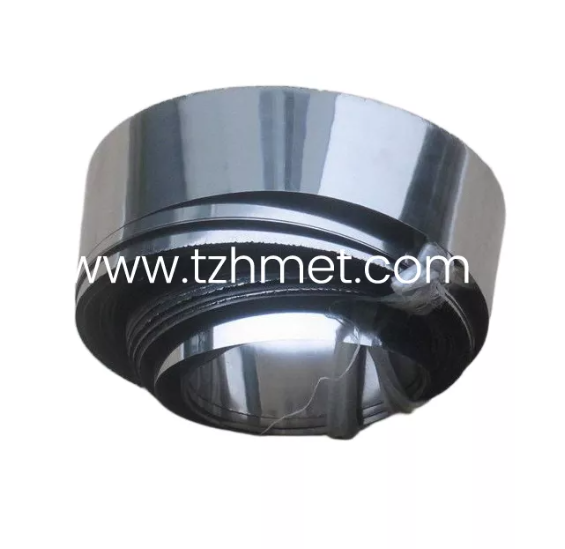
Nickel is undeniably a non-ferrous metal, despite its common association with ferrous alloys, especially stainless steel. Its unique properties, including corrosion resistance, strength, and versatility, make it a critical component in a range of industrial applications. Understanding nickel’s classification is essential for making informed decisions in material selection, ensuring the right metals are chosen for the right applications.
For industries seeking high-quality nickel and alloy solutions, Baoji Taizehui Metal Technology Co., Ltd. provides superior products that offer excellent corrosion resistance and strength. Their products are designed to meet the demanding requirements of various sectors, from electronics to heavy industry.
A: No, nickel is a non-ferrous metal. It contains minimal iron, making it resistant to rust and corrosion.
A: Nickel metal is known for its corrosion resistance, high strength, and versatility, making it ideal for use in alloys and various industrial applications.
A: Nickel is added to stainless steel to improve its corrosion resistance and strength, helping it perform well in harsh environments.
A: Unlike ferrous metals, which are primarily composed of iron, nickel metal contains little iron and does not rust easily, making it non-ferrous.


