
Views: 0 Author: Site Editor Publish Time: 2025-11-12 Origin: Site
Did you know that one of the toughest metals in the world is often hidden in the devices you use daily? Tantalum is a highly durable, corrosion-resistant metal with incredible heat resistance.
In this article, we will explore what tantalum is, its essential properties, and why it's used in various industries. You’ll learn how it plays a key role in electronics, aerospace, energy, and even medical applications.
Tantalum is a rare, dense metal known for its impressive resistance to corrosion, high melting point, and excellent thermal stability. As part of the refractory metals group, it’s invaluable for a range of industrial applications. Found in nature as part of the minerals tantalite and columbite, tantalum often occurs alongside niobium. These unique characteristics make tantalum indispensable in industries like electronics, aerospace, and chemical processing.
Due to its resilience in extreme environments, it remains a critical material in sectors requiring high performance. Whether dealing with high temperatures or aggressive chemicals, tantalum is often the best solution for applications demanding long-lasting stability.
Tantalum is a transition metal, denoted by the symbol Ta. With an atomic number of 73, it is recognized for its high density of 16.6 g/cm³, nearly double that of steel. Its ability to endure high temperatures and resist corrosion makes it a go-to material for various industries. In chemical processing or environments exposed to harsh conditions, tantalum provides essential durability and stability.
The durability of this metal allows it to be used in environments where other materials would corrode or break down, making it a preferred choice for high-performance components across different industries.
Tantalum’s unique properties include:
Corrosion Resistance: This metal resists corrosion from aggressive chemicals such as hydrochloric acid, sulfuric acid, and aqua regia. This resistance ensures its reliability in chemical processing and equipment exposed to harsh environments. The stability it offers is unmatched by many other metals.
High Melting Point: Tantalum has an exceptionally high melting point of 3,017°C, placing it among the highest of all metals. This property ensures that tantalum components can operate at elevated temperatures without losing strength or integrity. It’s perfect for aerospace applications where extreme heat is common.
Electrical Conductivity: Known for its excellent conductivity, tantalum is highly efficient in conducting electricity. Its ability to function in electrical components is vital for modern electronics, from capacitors to semiconductors.
| Property | Description |
|---|---|
| Corrosion Resistance | Tantalum resists corrosion from acids like sulfuric acid and aqua regia. |
| Melting Point | 3,017°C (5,463°F), one of the highest among all metals. |
| Electrical Conductivity | Excellent conductivity, making it ideal for electronic components. |
| Density | 16.6 g/cm³, nearly twice the density of steel. |
Tantalum is unparalleled in its resistance to high temperatures, corrosion, and wear. These qualities make it the go-to choice in sectors like aerospace, chemical processing, and electronics. It’s a material capable of performing reliably in extreme conditions, where other materials may fail.
Its resilience makes it indispensable in environments where reliability and longevity are paramount. The ability to withstand such tough conditions ensures that tantalum is a material that can endure over time, saving companies money on replacements and repairs.
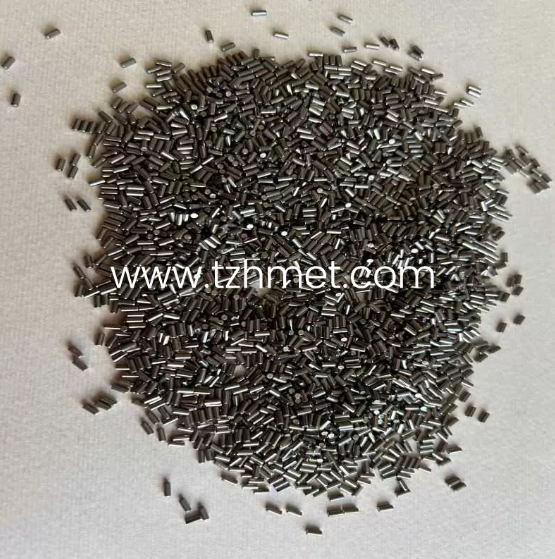
In the electronics industry, tantalum capacitors are highly valued for their high capacitance in small sizes. These capacitors store more energy in less space than most other types, making them ideal for smartphones, laptops, and automotive electronics. Tantalum’s ability to withstand higher voltages ensures that capacitors perform well even under demanding conditions, offering reliable performance in devices where space is at a premium.
Tantalum capacitors also contribute to the miniaturization of devices, allowing electronic systems to operate more efficiently in smaller packages. This compactness, combined with high reliability, makes tantalum capacitors an essential component in modern technology.
Learn whether tantalum capacitors are polarized and how that affects their use.
In semiconductor manufacturing, tantalum plays a key role in the deposition of thin films. A layer of tantalum is sputtered onto semiconductor wafers to prevent copper from diffusing into the silicon. This barrier is crucial for improving the thermal stability of microchips, and ensuring that the devices continue to operate smoothly over time.
Without tantalum, many semiconductor devices would suffer from copper diffusion, leading to premature failure. The metal’s ability to resist this process ensures that components remain functional and efficient for a much longer period.
Tantalum is also used in surface acoustic wave (SAW) filters to enhance audio quality. These filters, which are essential in smartphones, hi-fi audio systems, and tablet PCs, benefit from the use of lithium tantalate crystals. These crystals improve the damping of electronic signal waves, which, in turn, improves the clarity and quality of audio signals.
In audio equipment, clear and crisp sound is a priority, and tantalum’s role in the electronics that process these signals helps ensure high-quality audio output. It’s a critical material for ensuring superior audio performance.
Tantalum alloys are commonly used in components that operate at extremely high temperatures, such as those found in jet engines, rocket nozzles, and nuclear reactors. With a melting point of over 3,000°C, tantalum ensures that these components retain their strength and reliability even under intense heat.
By withstanding such extreme conditions, tantalum provides reliability in critical aerospace applications and ensures the long-term performance of parts exposed to high temperatures.
Aerospace systems, such as turbine blades and combustion chambers, are often exposed to hot gases and chemicals. Tantalum’s exceptional resistance to corrosion makes it the ideal material for such parts, which must remain durable and functional in challenging conditions.
The use of tantalum ensures that these components remain reliable and efficient, even when subjected to the harshest environments in the aerospace industry.
In the nuclear energy sector, tantalum is used in fuel elements and containment structures that are exposed to both high temperatures and radiation. Tantalum’s resilience under such conditions ensures the safety and efficiency of nuclear reactors, which play a crucial role in energy production worldwide.
Tantalum’s corrosion resistance makes it ideal for chemical processing and energy generation equipment, ensuring that parts can endure in aggressive environments.
Tantalum’s resistance to corrosion makes it an excellent material for use in chemical reactors, heat exchangers, and pipelines where exposure to corrosive substances is unavoidable. In these situations, tantalum ensures that critical equipment remains functional and efficient for longer periods, significantly reducing the risk of failure.
Tantalum parts also extend the service life of equipment and reduce the frequency of maintenance, resulting in substantial cost savings for businesses.
Discover how tantalum crucibles are used in high‑temperature sapphire smelting and material growth.
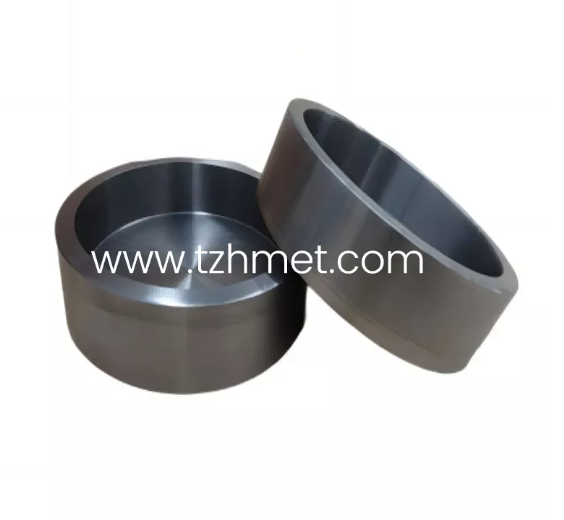
Tantalum can be alloyed with other metals to improve its properties further, making it even more suitable for aggressive chemical environments. Tantalum-niobium alloys, for example, are commonly used in chemical processing equipment, where they provide superior strength and corrosion resistance.
These alloys are particularly effective in handling corrosive chemicals, which are common in industries like petrochemical and pharmaceutical manufacturing.
| Industry | Application | Benefits |
|---|---|---|
| Electronics | Tantalum capacitors, semiconductors | High capacitance in small sizes, thermal stability, improved efficiency. |
| Aerospace | Jet engines, rocket nozzles | High temperature resistance, corrosion resistance in extreme environments. |
| Chemical Processing | Chemical reactors, heat exchangers | Corrosion resistance in aggressive chemical environments. |
| Medical | Implants, bone replacements | Biocompatible, integrates with bone tissue, long-lasting. |
| Jewelry | Wedding bands, custom rings | Durability, scratch resistance, unique aesthetic. |
Tantalum’s biocompatibility means it does not cause adverse reactions when implanted in the human body. This quality makes it ideal for use in prosthetics, joint replacements, and bone implants. Tantalum integrates seamlessly with bone tissue, making it a reliable and safe choice for orthopedic surgeries.
Because of its low reactivity and strength, it is also used in dental implants and other surgical devices, where the material needs to function in the human body for extended periods.
Tantalum is also used in radiographic contrast agents, helping doctors obtain clearer images for medical diagnostics. Its stability and resistance to radiation allow for more accurate results in medical imaging, improving patient outcomes.
Tantalum's use in imaging technology helps ensure that doctors can obtain clear and precise images, enabling more accurate diagnoses and treatments.
Tantalum’s unique combination of strength and biocompatibility makes it an excellent material for synthetic bone substitutes. These materials are particularly beneficial in joint replacement surgeries where stability and support are critical for patient recovery.
Tantalum’s lustrous gray-blue color gives it a striking and unique appearance, making it highly sought after in the jewelry industry. Its corrosion resistance ensures that it can withstand the test of time, even with daily wear. This is particularly important for pieces like wedding bands and custom rings, which are meant to last a lifetime. Unlike other metals, tantalum will not tarnish or lose its shine, making it a durable and low-maintenance option for fine jewelry.
Its strength also adds another layer of appeal, as it ensures that jewelry made from tantalum can withstand knocks, scratches, and the wear and tear of daily use. This makes tantalum jewelry ideal for people who want pieces that will maintain their beauty and integrity over the years. Its unique look, combined with practical durability, makes it a go-to choice for those seeking longevity in their jewelry.
Tantalum is increasingly being used in custom-designed jewelry, where its strength and ability to retain a beautiful finish make it an excellent choice. The material’s density ensures that intricate designs can be created without compromising on durability, which is a key factor in the longevity of custom pieces. Whether it’s an intricately designed ring or a personalized pendant, tantalum adds a unique touch that combines both beauty and resilience.
Additionally, its unique blend of style and durability appeals to consumers who want jewelry that reflects their personality and lasts for years. The natural gray-blue sheen of tantalum offers a contemporary aesthetic that fits well with modern tastes. This versatility makes it perfect for a variety of jewelry styles, from classic to avant-garde, ensuring that pieces remain fashionable and functional throughout their lifespan.
Tantalum-tungsten alloys are often used in high-temperature applications, such as rocket engines and aerospace components. The combination of tantalum’s high melting point and tungsten’s strength makes these alloys ideal for components that need to perform at extreme temperatures.
These alloys are commonly used in space exploration and aerospace technologies, where the extreme conditions make the performance of materials like tantalum vital for mission success.
Tantalum-niobium alloys are widely used in chemical processing and aerospace industries. These alloys offer superior strength and corrosion resistance, making them ideal for environments where equipment is exposed to aggressive chemicals or extreme conditions.
Tantalum-hafnium alloys combine the strength and temperature resilience of both metals, making them perfect for nuclear reactors and aerospace applications. These alloys maintain their integrity even under extreme conditions, ensuring reliability in critical energy generation and space exploration systems.
Tantalum is a unique metal that excels in a wide range of industrial applications due to its remarkable properties, including high melting point, corrosion resistance, and excellent electrical conductivity. From its critical role in electronics, aerospace, and energy sectors to its emerging use in medical and jewelry applications, tantalum proves to be an invaluable resource. As industries continue to evolve, the development and research into tantalum-based technologies will drive future innovations and provide even more solutions to meet the demands of modern engineering and technology.
For companies like Baoji Taizehui Metal Technology Co., Ltd., tantalum products offer exceptional value with unmatched durability and reliability. Their products, used across various industries, highlight the company's commitment to providing high-quality solutions that meet global standards.
A: Tantalum is primarily used in electronics, aerospace, and medical applications due to its excellent corrosion resistance, high melting point, and electrical conductivity.
A: Tantalum capacitors offer high capacitance in small sizes, making them ideal for compact electronic devices such as smartphones and laptops.
A: Tantalum is used in aerospace components like jet engines and rocket nozzles due to its ability to withstand extreme temperatures and corrosion.
A: Yes, tantalum is biocompatible and widely used in medical implants such as joint replacements and bone substitutes.
A: Tantalum is used in electronics, aerospace, chemical processing, medical devices, and jewelry due to its unique properties and durability.


